
Okamoto maple
Acer okamotoanum
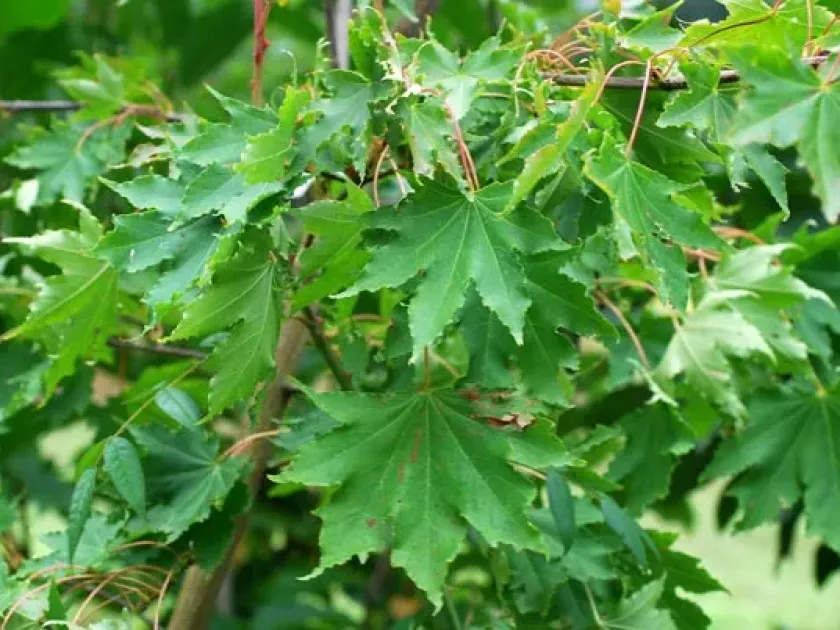
Description
Growing requirements
The Okamoto maple (Acer okamotoanum) is a rare deciduous tree species belonging to the Sapindaceae family. It is endemic to Ulleungdo Island, South Korea, making it a highly prized specimen for botanical collections and conservationists interested in rare flora.
This species thrives in cool, humid environments reminiscent of its native island habitat. In a garden setting, it requires a location with partial shade to prevent leaf scorch, as intense direct sunlight during the growing season can be detrimental to the foliage health.
Soil requirements for Acer okamotoanum are quite specific: it prefers rich, fertile loam with excellent drainage properties. The pH level should ideally be slightly acidic or neutral. Proper soil aeration is crucial for the development of a healthy root system and for preventing waterlogging.
Cultivation practices involve regular organic fertilization to maintain soil nutrient levels. Applying a layer of mulch around the base of the tree is highly recommended to preserve moisture and regulate soil temperature, simulating the natural forest floor conditions that the species prefers.
Given its rarity, the propagation of Okamoto maple is typically carried out by experienced nurserymen. Careful monitoring of saplings during the first few years is necessary to ensure they establish a strong root structure before being exposed to more demanding environmental conditions.
Main diseases and pests
Fungal infections, such as leaf spot and anthracnose, represent the primary health threats to this maple. These conditions are typically exacerbated by poor air circulation and excessive humidity, making preventative fungicide applications during early spring an essential maintenance task.
Insect pests, including aphids and spider mites, are common nuisances that can weaken the tree by feeding on tender new shoots. Integrated pest management strategies, such as the use of natural predators or targeted miticides, are recommended to maintain tree vigor without environmental harm.
Boring insects, such as bark beetles, can pose a severe threat if the tree's health is already compromised. Regular sanitary pruning to remove dead or dying branches helps reduce the attraction of these pests and supports the overall structural integrity of the canopy.
Winter desiccation is a significant concern for young Okamoto maples exposed to harsh, drying winds. Providing wind protection or wrapping trunks can significantly improve survival rates for young trees in areas with cold, windy winters.
Nutrient deficiencies, particularly iron or magnesium, can trigger chlorosis, a condition characterized by yellowing of the leaves. Maintaining proper soil health through periodic testing and the application of balanced, micronutrient-rich fertilizers is critical for preventing this issue.