
Oliver's Maple
Acer oliverianum
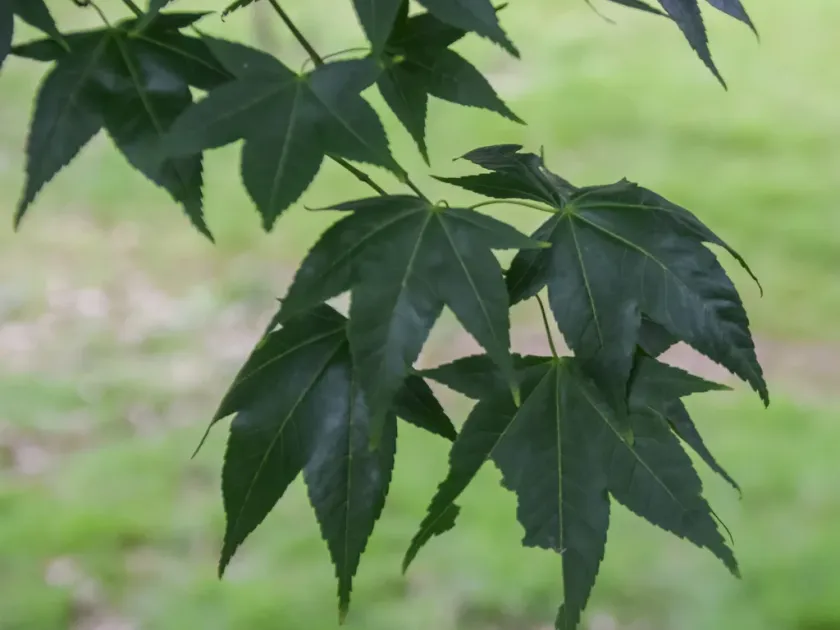
Description
Sowing dates
Propagation of Oliver's Maple is primarily achieved through seeds collected in late autumn. Fresh seeds often require cold stratification for at least three months to break dormancy.
Seeds are sown in a well-drained, sterile seed-starting mix. Keeping the soil temperature stable at around 15 degrees Celsius helps ensure consistent germination during the early spring.
Softwood cuttings can be taken in early summer. These cuttings require a misting system or high humidity cover to prevent desiccation before root initials begin to develop.
Young seedlings should be kept in a protected environment for the first two years. This allows them to develop a robust root system before they are transplanted to their final location.
When selecting a planting site, consider the natural habitat of the tree. Providing ample space for root development is essential for the long-term health of the specimen.
Growing requirements
Oliver's Maple, a member of the Sapindaceae family, originates from the mountainous regions of China. It is highly valued in horticulture for its elegant foliage and distinct growth habit.
The tree requires a moist, fertile, and slightly acidic soil. It performs best in environments where the root zone remains cool and moist, yet never waterlogged.
While the tree can tolerate full sun in cooler climates, it generally prefers partial shade. Shade protection is especially important for protecting young foliage from mid-day scorching.
Regular mulching with organic matter helps retain soil moisture and suppresses weed growth around the base of the tree. Ensure the mulch does not directly touch the bark to prevent rot.
Hardiness is moderate, and the tree may benefit from shelter against strong, drying winds. Providing a stable microclimate is key to ensuring successful growth in non-native regions.
Main diseases and pests
Aphids are common pests that feed on the sap of young shoots, often leading to leaf curling. Integrated pest management, including natural predators, is recommended.
Verticillium wilt is a significant threat to many maple species, including Acer oliverianum. Avoiding soil compaction and over-watering is the best preventive strategy against this fungus.
Powdery mildew can affect the leaves during periods of high humidity and poor air circulation. Improving spacing and thinning the canopy can significantly reduce infection rates.
Spider mites can become a problem in hot and dry weather conditions. Regular inspection of the undersides of leaves and occasional overhead irrigation can deter infestations.
Sanitation is critical in the garden. Removing and disposing of diseased branches or fallen debris helps reduce the overwintering population of harmful pathogens and pests.