
Paullinia
Paullinia L.
Paullinia, specifically the species Paullinia cupana (guarana), is a perennial tropical vine. Commercial propagation is primarily achieved through vegetative methods, such as stem cuttings, which ensure the offspring maintain the genetic and productive traits of the superior parent plants.
What the section contains

Paullinia
For seed propagation, sowing must occur immediately after harvesting because the seeds rapidly lose their viability when dried. Ideally, seedlings are transplanted to the field at the beginning of the rainy season, allowing the root system to establish itself during a period of consistent soil moisture.
Initial nursery stages require shaded environments to protect young plants from intense direct sunlight. Once the saplings reach a height of 30 to 50 centimeters, they are ready to be hardened off and planted in their permanent locations on the plantation.
Planting density is determined by the specific management system, typically designed to balance optimal light exposure with ease of access for maintenance and harvesting. Proper spacing is essential to reduce humidity trapped within the canopy, which helps in disease management.
The ideal soil for Paullinia is a fertile, well-draining substrate with high organic matter content. Because the plant is sensitive to waterlogging, site selection should prioritize areas with excellent natural drainage to prevent root hypoxia and subsequent health issues.
As a member of the Sapindaceae family, Paullinia thrives in tropical climates. It requires consistent temperatures between 20°C and 35°C and cannot tolerate any frost, making it suitable only for specific frost-free tropical or subtropical regions.
This crop demands high annual rainfall, evenly distributed throughout the year. In regions prone to seasonal droughts, supplemental irrigation systems are necessary to maintain vigorous growth and fruit development, as moisture stress significantly impacts overall yield.
The soil should have a slightly acidic pH, ideally between 5.0 and 6.0. High nutrient availability, particularly nitrogen and potassium, is critical for supporting the vegetative growth and the energy-demanding process of producing caffeine-rich seeds.
Light requirements vary by age; while young vines prefer filtered or indirect light to prevent leaf scorching, mature plants thrive in full sun provided that soil moisture is adequately managed. Integrating shade trees can be an effective strategy for younger plantations.
Agronomic maintenance includes regular weeding and mulching around the base of the plants. Mulching not only suppresses weeds but also helps regulate soil temperature and moisture retention, creating a more stable environment for the superficial root system of the vine.
The primary economic focus of Paullinia cultivation is the production of seeds, which are highly valued for their caffeine (guaranine) content. Productive harvesting typically commences 3 to 4 years after planting, with yields increasing steadily until the plant reaches full maturity at 6 to 8 years.
Yield management depends heavily on pruning practices. Regular pruning facilitates the development of strong, fruiting branches and improves air circulation, which is vital for preventing the spread of fungal pathogens within the vine structure.
Balanced fertilization programs, based on regular soil and foliar analysis, are essential for maintaining high yield levels. Providing the necessary micronutrients helps ensure successful fruit set and reduces the incidence of physiological disorders in the developing clusters.
The industrial output is widely used in the beverage, nutraceutical, and pharmaceutical industries. Given the global demand for natural caffeine sources, selecting high-yielding clones is a primary strategy for farmers looking to maximize profitability.
With correct management and intensive care, a well-tended Paullinia plantation can remain productive for many years. Longevity of the orchard depends on consistent fertility management and rigorous adherence to phytosanitary protocols to prevent degradation of the plant stock.
The most significant threat to Paullinia plantations is anthracnose, caused by the fungus Colletotrichum guaranicola. This disease can decimate leaves, shoots, and fruit clusters, making fungicide applications and sanitation vital components of the farm's management plan.
Insect pests, including various sap-sucking and fruit-boring species, can cause substantial damage. Integrated Pest Management (IPM) strategies, which combine biological controls with targeted chemical interventions, are the most sustainable approach to keeping pest populations below economic threshold levels.
Root rot, caused by poor drainage and stagnant water, is a persistent threat. Ensuring proper field leveling and installing internal drainage systems are key engineering steps to mitigate the risks of water accumulation, especially during the peak rainy seasons.
Strict sanitation is required: all infected plant material must be removed and destroyed far from the active plantation to prevent the spread of spores. Regular monitoring of the foliage and stems allows for early detection of emerging threats before they become widespread.
Maintaining a healthy, stress-free environment for the plants is the best defense against threats. Healthy plants demonstrate higher natural resistance to disease, and consistent monitoring ensures that any issues are caught early and treated effectively.
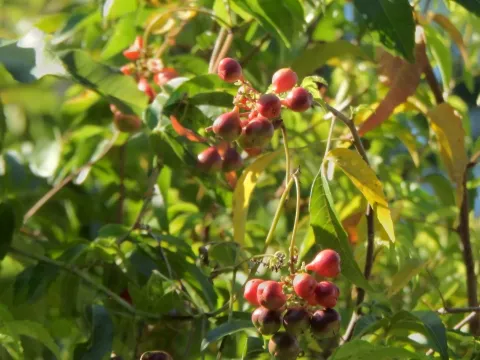
Harvesting Paullinia is a labor-intensive manual task because the fruit does not mature simultaneously across the entire vine. Pickers must monitor the vines daily or weekly, selecting only those fruit clusters where the seed is visible through the split pericarp.
Premature harvesting results in low-quality seeds, while delayed harvesting leads to the fruit falling to the ground, where it becomes vulnerable to decay and pest infestation. Timing is critical to maximizing the chemical potency of the harvested seeds.
Post-harvest processing involves removing the pulp, washing the seeds, and drying them. Drying must be performed carefully under controlled temperatures to prevent moisture-related spoilage and to preserve the concentrated caffeine compounds within the seed.
Storage is the final step, requiring cool, dry, and well-ventilated conditions. Properly dried seeds should be stored in moisture-proof containers to protect them from environmental humidity and pests, ensuring they meet the quality standards required by industrial buyers.
While mechanization of the harvest is currently limited by the delicate nature of the vine and the staggered maturity of the fruits, research continues into harvesting aids that could improve efficiency and reduce the overall cost of labor in the field.