
Painted maple
Acer pictum
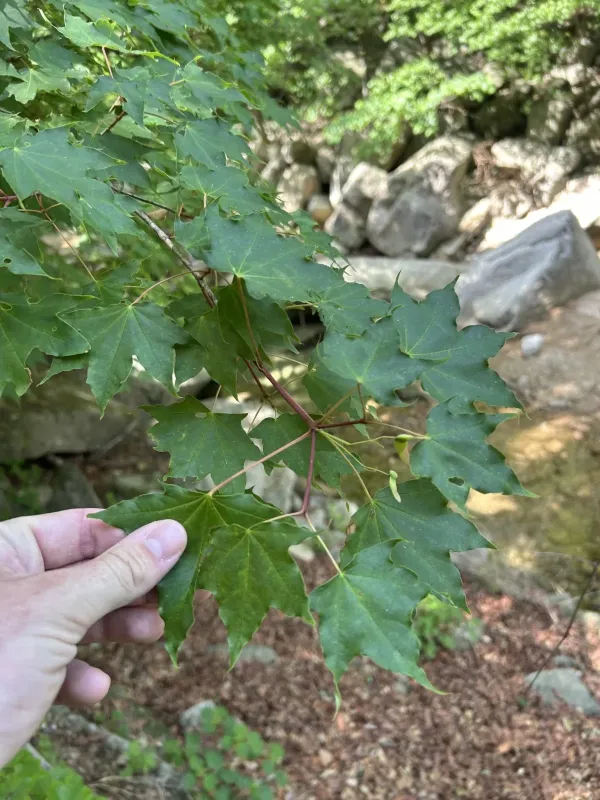
Description
Sowing dates
Sowing seeds of painted maple is best performed in late autumn, allowing for natural stratification during winter. The seeds should be planted in well-drained, fertile soil in a sheltered location or nursery bed.
Artificial stratification for 90 to 120 days at temperatures between 0°C and 5°C is essential for spring sowing. This process mimics natural environmental cues and significantly increases the germination rate.
Seeds should be covered with 2–3 centimeters of substrate. Consistent soil moisture must be maintained throughout the germination period, which typically occurs during the mid-spring season.
In professional nurseries, controlled climate chambers ensure optimal development of seedlings. Transplanting to a permanent location is recommended when the tree reaches 2–3 years of age, ensuring a robust root system.
Sufficient spacing, usually 3–4 meters between individuals, is critical to allow for proper crown expansion and airflow. Proper spacing also facilitates maintenance and harvesting operations in orchard-like plantations.
Growing requirements
The painted maple belongs to the Sapindaceae family and serves as a vital component of deciduous forests in its native range, which includes the Russian Far East, Japan, Korea, and northern China.
This species thrives in moderately moist, nutrient-rich loam soils. It is intolerant of waterlogged conditions and prefers sites with high permeability, which prevents root rot and promotes healthy physiological growth.
Climatic requirements involve a pronounced seasonal cycle with cold winters and temperate summers. The species exhibits high cold hardiness, allowing it to adapt to various temperate climate zones effectively.
Light exposure is a key factor; while young saplings prefer partial shade to avoid heat stress, mature specimens require significant access to filtered sunlight to achieve their characteristic autumnal leaf coloration.
Agricultural management requires regular weeding and mulching around the base to retain moisture. Irrigation should be provided during prolonged drought periods, particularly for younger trees that have not yet established deep root systems.
Yield
Painted maple holds significant economic value in forestry due to its strong, durable wood. The timber is highly sought after for high-quality furniture, interior design, and various artisanal woodcraft projects.
The tree provides ecological services by preventing soil erosion on sloped terrains. Its dense leaf cover contributes to soil structure improvement through organic matter accumulation, making it a valuable species for reforestation.
As an early-blooming species, it serves as an important nectar source for pollinators. The honey produced from these trees is valued for its unique taste and early availability during the spring season.
In landscaping, this species is utilized as a centerpiece or in mixed borders due to its exceptional aesthetic appeal. Its ability to transition through vibrant autumn colors makes it a popular choice for urban parks.
The species is increasingly studied for its potential in sustainable silviculture, balancing timber production with the conservation of local biodiversity and the maintenance of forest health in temperate regions.
Main diseases and pests
Powdery mildew and various fungal leaf spots are common issues, especially in high-humidity climates. Effective management includes pruning for better airflow and the application of fungicides when symptoms appear.
Insect pests, such as aphids and leaf rollers, may attack fresh foliage. Regular monitoring and targeted insecticide applications during the early vegetative phase can prevent significant damage to the plant's canopy.
Wood-boring insects present a threat to mature trees that have been weakened by environmental stress. Maintaining optimal tree health through balanced fertilization and proper hydration is the best defense against infestations.
Winter damage from rodents gnawing at the bark of young trees is a frequent concern. Protecting the lower trunk with wire mesh during the dormant season is a standard practice to prevent mortality in young plantations.
- Sanitary pruning to remove diseased or damaged limbs.
- Integrated pest management strategies focusing on early detection.
- Proper site selection to avoid naturally damp or poorly drained areas.