
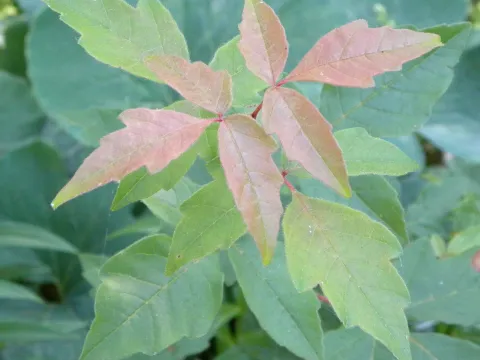
Paperbark maple
Acer griseum
Paperbark maple (Acer griseum) is a slow-growing deciduous tree belonging to the Sapindaceae family. Native to central China, this tree is highly prized by horticulturists for its spectacular, exfoliating cinnamon-colored bark that peels away in papery curls, providing year-round visual interest.
What the section contains
Paperbark maple
The tree thrives in well-drained, fertile soil with a neutral to slightly acidic pH. It is essential to ensure that the planting site does not retain excess water, as the roots are sensitive to waterlogging. Incorporation of organic matter into the soil at planting helps maintain the required moisture levels while improving structure.
Ideally, this maple should be planted in a location that receives full sun to partial shade. In warmer climates, some protection from intense afternoon heat is beneficial, whereas, in cooler northern regions, full sun encourages better foliage color development and faster growth rates.
Agrotechnical maintenance involves consistent watering during the establishment phase and throughout prolonged dry spells. Applying a layer of mulch around the base of the tree is highly recommended, as it conserves soil moisture, suppresses weeds, and protects the delicate root system from temperature extremes.
While Acer griseum is generally low-maintenance regarding pruning, occasional sanitary pruning is performed in late winter or early spring to remove dead wood or crossed branches. This practice maintains the architectural integrity of the crown, which is essential for its ornamental value in landscape architecture.
The paperbark maple is generally considered a healthy tree, yet it can be susceptible to verticillium wilt, a soil-borne fungus. Symptoms include leaf yellowing and branch dieback; ensuring good soil drainage is the primary defense against this pathogen.
Foliar diseases, including powdery mildew and leaf spots, may occasionally occur during humid summer weather. These conditions rarely threaten the life of the tree but can impact its ornamental aesthetic; fungicides can be used if an outbreak becomes severe.
Insects such as aphids and scale insects are the most common pests for Acer griseum. Aphids may cause leaf curling, while scale insects can weaken stems; these are usually managed with horticultural oils or targeted systemic insecticides.
Regular monitoring of the bark and foliage is necessary to detect infestations early. Because the exfoliating bark is the tree's key feature, any damage to the trunk should be treated carefully to avoid secondary infections from opportunistic bacteria or fungi.
To support overall plant health, gardeners should avoid heavy nitrogen fertilizers in late summer, which could encourage late-season growth that is susceptible to winter frost damage. Strong, vigorous trees are naturally better at resisting minor pest pressures.