
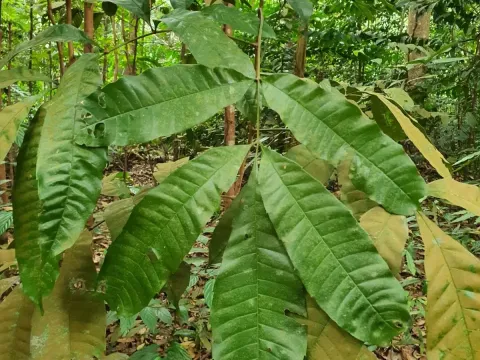
Paranephelium
Paranephelium
Paranephelium is a genus of evergreen trees belonging to the Sapindaceae family. These plants are native to the tropical rainforests of Southeast Asia, where they thrive in specific humid environmental conditions.
What the section contains


Paranephelium
The cultivation of Paranephelium requires a tropical climate with consistently high temperatures and rainfall. The species is highly intolerant of frost and extreme temperature drops, making it suitable only for specific latitudes.
Soil requirements involve well-drained, nutrient-rich substrates. Proper drainage is a critical agrotechnical factor, as waterlogging in the root zone is a common cause of plant failure in this genus.
Young trees require protection from direct, intense sunlight and competition from invasive undergrowth, while mature specimens benefit from a canopy gap that allows for optimal sunlight exposure.
Agronomic maintenance should focus on periodic mulching and the application of organic fertilizers to mimic the nutrient cycling found in their natural forest habitat, ensuring sustained tree vitality.
The primary economic focus of Paranephelium is the harvest of its fruits, which are processed primarily to extract oil from the seeds. This oil has potential applications in both local culinary and commercial sectors.
Harvesting is typically performed manually once the fruit reaches maturity. Indicators of maturity include specific color changes of the fruit peel and the hardening of the seed coat inside.
Due to the high humidity typical of the growing regions, post-harvest handling must be rapid to prevent fungal contamination and enzymatic degradation of the oil components.
Standard processing involves cleaning the harvested fruits and extracting the seeds through mechanical methods to ensure that the quality of the raw oil material remains high.
Successful yield management depends on careful monitoring of fruiting cycles, which may vary depending on the local moisture regime and the age of the plantation trees.