
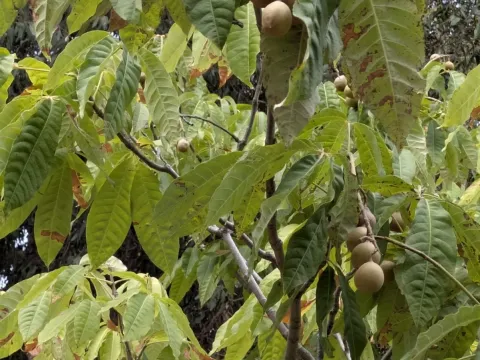
Indian horse chestnut
Aesculus indica
The propagation of the Indian horse chestnut (Aesculus indica) is primarily achieved through seeds, which should be sown fresh to ensure high germination rates.
What the section contains
Indian horse chestnut
Seeds are typically planted in autumn in deep, moist, well-drained soil, placed at a depth of about 5 to 10 centimeters to protect them from frost and rodents.
If spring sowing is planned, seeds must be stratified in a cool, moist medium such as sand or peat for at least three months to break dormancy.
Seedbeds should be kept clean of debris and weeds, as the young seedlings are vulnerable to competition during their first two years of development.
The root system develops a deep taproot early on, so transplanting young trees should be avoided to prevent damage to the primary root structure.
Aesculus indica, a member of the Sapindaceae family, is a large, majestic deciduous tree native to the Western Himalayas, appreciated for its grand foliage and flowers.
It thrives in deep, fertile, loamy soils that provide consistent moisture but avoid waterlogging, which often leads to root rot in this particular species.
The tree prefers a temperate climate with mild summers; while it is hardier than some tropical relatives, it requires protection from harsh, drying winds.
Strategic placement in a garden or park setting should provide ample space for the tree to reach its full canopy spread, which can exceed 10–15 meters.
Routine horticultural maintenance involves periodic fertilization with balanced NPK compounds and the application of organic mulch to regulate soil temperature.
The horse chestnut leaf miner (Cameraria ohridella) is a significant pest that can severely defoliate the tree by mid-summer, reducing its overall health.
Fungal pathogens such as Guignardia aesculi cause leaf blotch, manifesting as brown spots on leaves, which often spread under humid and warm conditions.
Bark canker, caused by various pathogens, can threaten the structural integrity of the main trunk, necessitating prompt removal of infected branches.
Integrated pest management strategies should include the thorough removal and destruction of leaf litter in autumn to disrupt the life cycles of common pests.
Maintaining optimal tree vigor through proper irrigation and soil care is the best defense against secondary infections by opportunistic fungi and pests.