
Hornbeam maple
Acer carpinifolium
Description
Growing requirements
Hornbeam maple (Acer carpinifolium) is a distinct species within the Sapindaceae family. Native to Japan, particularly the islands of Honshu, Shikoku, and Kyushu, it is naturally adapted to moist, forest environments where it thrives in the understory of broad-leaved woodlands.
This species requires specific soil conditions to prosper. It favors deep, moisture-retentive, humus-rich soils that are slightly acidic. Proper drainage is absolutely essential, as the roots are highly sensitive to waterlogging, which can lead to rapid fungal decay in the root system.
The tree prefers a location with partial shade, away from the harsh intensity of direct afternoon sunlight. In its natural habitat, it benefits from the canopy protection of larger trees. In domestic gardens, it is best planted in areas where it is protected from drying winds and extreme heat.
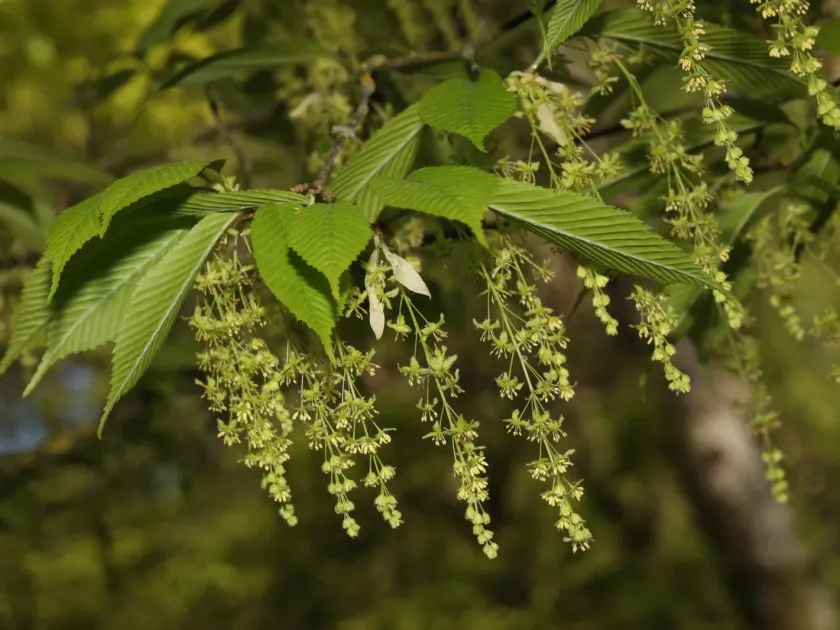
Botanically, it is best known for its leaves, which strikingly resemble those of the genus Carpinus (hornbeam). The tree exhibits a slow to moderate growth rate, maintaining a graceful, upright habit that makes it highly prized by horticulturists and collectors of rare Acer species.
Maintenance involves regular mulching of the root zone to maintain soil moisture levels and mimic the natural forest floor conditions. This practice helps to stabilize soil temperature and provides essential organic matter that promotes the health and longevity of the tree.
Main diseases and pests
The species is susceptible to various fungal pathogens, with Verticillium wilt being the most significant concern. This soil-borne fungus can cause branch dieback and overall decline, requiring growers to maintain good sanitary practices and avoid root-zone compaction or trauma.
Aphids and scale insects are common pests that may infest the foliage and young branches. While rarely fatal, heavy infestations can weaken the tree. Early detection through regular visual monitoring is recommended to ensure that populations remain under control before significant damage occurs.
Spider mites are a particular nuisance during dry, hot spells. Since hornbeam maple prefers higher humidity, the environment can become stressful for the tree during heatwaves, making it more vulnerable to mite attacks. Increasing humidity around the plant can serve as an effective deterrent.
- Removal of dead or diseased wood during the dormant season.
- Application of specialized fungicides if leaf spots are identified.
- Use of neem oil or systemic insecticides for pest control.
- Maintaining consistent irrigation without overwatering.
To ensure long-term health, apply a balanced, slow-release fertilizer in early spring as growth resumes. Avoid heavy nitrogen applications late in the season, as this can encourage soft, succulent growth that is more prone to winter damage and pest colonization.