
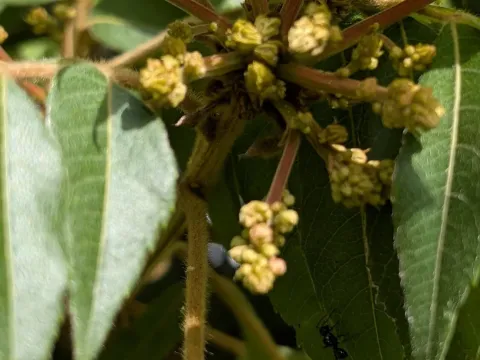
Jagera
Jagera
Jagera is a genus of evergreen trees and shrubs within the Sapindaceae family, naturally occurring in the rainforests of Australia and nearby islands. These plants are appreciated in botanical collections for their dense foliage and unique branching patterns.
What the section contains

Jagera
The cultivation of Jagera requires a stable tropical environment with temperatures consistently above 15°C. The species performs best in bright, indirect light, avoiding harsh midday sun which can stress the plant and reduce its aesthetic appeal.
Soil requirements focus on high organic matter content and excellent drainage properties. A slightly acidic, well-aerated substrate is essential to prevent root rot, as the plant does not tolerate waterlogged conditions or heavy, compacted soil textures.
High relative humidity is a critical factor for success. Regular misting or the use of specialized humidification systems helps replicate the native rainforest microclimate, promoting healthy leaf expansion and preventing the edges of foliage from drying out.
Strategic fertilization during the peak growing season supports sustained growth. Using balanced, water-soluble fertilizers ensures that the plant receives necessary macronutrients while avoiding the buildup of harmful mineral salts in the root zone.
Common pests affecting Jagera in controlled environments include spider mites and scale insects. These pests often proliferate when ambient humidity drops too low or when the plant is stressed by irregular watering practices.
Fungal pathogens such as root rot represent the most significant threat to plant longevity. Prevention is achieved through strict irrigation management and the use of porous, fast-draining potting media that allows oxygen to reach the roots.
Powdery mildew can emerge on new shoots if air circulation around the canopy is inadequate. Providing space between plants and maintaining consistent airflow are effective cultural controls against these types of fungal outbreaks.
Leaf spot diseases may occur when leaves are consistently wet, especially during darker months. Keeping foliage dry and removing affected leaves promptly helps to halt the spread of the infection and maintain the plant's health.
Effective management requires proactive observation. Early detection of any anomalies in leaf color or growth rates is vital for applying corrective measures before a minor problem becomes an irreversible infestation or disease outbreak.