


Reference · Crops
Horse chestnut
Aesculus L.
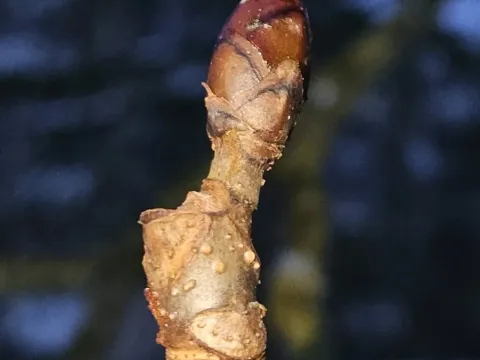
The Horse chestnut (Aesculus hippocastanum) belongs to the Sapindaceae family. Originating from the Balkan Peninsula, it has become a widely distributed species throughout the temperate regions of the Northern Hemisphere.
4
items
What the section contains
Marketplace
Products in this section · 8


Fungisol
Джі. Джі. МАУГЕТ КОМПАНІ (J.J. MAUGET COMPANY), США
Fungicides
0
0
·
41
2 offers
25.09 €per pack
Buy

Abasaid 2
Джі. Джі. МАУГЕТ КОМПАНІ (J.J. MAUGET COMPANY), США
Insecticides
0
0
·
78
No offers
—
Details
Horse chestnut
This tree requires deep, fertile, and well-drained soils to thrive. It is particularly sensitive to soil compaction and is not suitable for dry, sandy soils where water retention is insufficient for its massive leaf surface area.
Climate conditions play a crucial role in the development of the species. It prefers temperate climates with moderate humidity and is hardy against cold, although it requires protection from severe spring frost when blooming.
The tree thrives in full sun but can tolerate partial shade in its early stages of growth. Proper spacing is essential, as the crown can become very wide, requiring significant room for root and branch expansion.
In agriculture and forestry, the Horse chestnut is valued for its pharmacological properties, particularly in the production of esculin-based medicines, and as an ornamental specimen in landscaping and urban planning.
The most significant pest currently affecting the population of Aesculus is the horse chestnut leaf miner (Cameraria ohridella), which causes severe defoliation in mid-summer.
Fungal infections, such as Guignardia leaf blotch, commonly cause brown lesions on the leaves, leading to aesthetic damage and reduced photosynthetic capacity.
Bleeding canker, caused by Pseudomonas bacteria, is a lethal disease that affects the trunk, leading to bark cracking and the oozing of dark, reddish-brown sap.
The management of these threats involves a combination of removing infested leaves and the application of trunk injections or canopy spraying in specialized nurseries.
Integrated pest management remains the most effective strategy for preserving the longevity of the trees, emphasizing sanitation and the maintenance of soil vitality.