
Hyrcanian maple
Acer hyrcanum
Description
Growing requirements
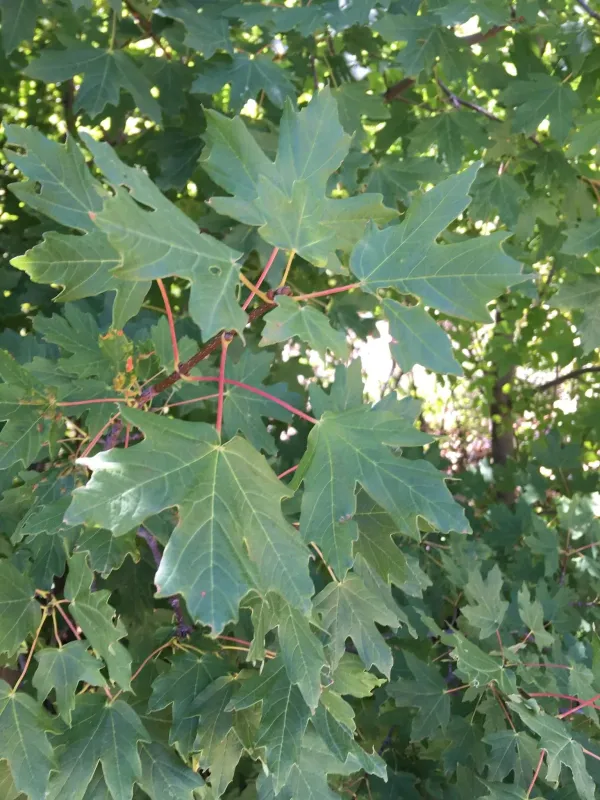
The Hyrcanian maple (Acer hyrcanum) is a deciduous tree or shrub belonging to the Sapindaceae family. It is recognized for its unique leaf morphology and robust growth habit, often found in temperate mountain ecosystems.
The native range of this species extends from Southeast Europe across the Caucasus to Northern Iran. This geographical distribution highlights the plant's natural preference for hillside environments and rocky slopes.
Regarding soil requirements, this species thrives in well-drained, fertile, and slightly loamy substrates. It is essential to ensure adequate soil aeration, as stagnant water can lead to root system decay and poor plant performance.
The climatic adaptability of Acer hyrcanum allows it to survive in various conditions, provided there is enough exposure to sunlight. While it can withstand moderate droughts once established, regular watering is recommended for young specimens during the first few growing seasons.
From a landscape architecture perspective, it is highly valued for its dense foliage, which provides excellent shade and texture. Additionally, its wood is appreciated for its quality and durability, contributing to its historical use in localized carpentry.
Main diseases and pests
The primary pathological threats to the Hyrcanian maple include powdery mildew and various leaf spot diseases, which typically emerge in humid and poorly ventilated locations.
Pest pressure is mainly exerted by aphids and spider mites, which can sap the vitality of the tree by feeding on tender young leaves during the early summer season.
- Monitor for discoloration or curling of leaves regularly.
- Ensure proper spacing during planting to enhance airflow.
- Use dormant oil sprays if overwintering pests are detected.
Integrated pest management, combining cultural practices and targeted chemical treatments, is the most effective approach for maintaining healthy trees in an urban or forest setting.
Sanitation measures, such as the removal of infected plant debris, are critical to prevent the overwintering of spores and the subsequent spread of fungal diseases in the following spring.