
Koelreuteria elegans
Koelreuteria elegans
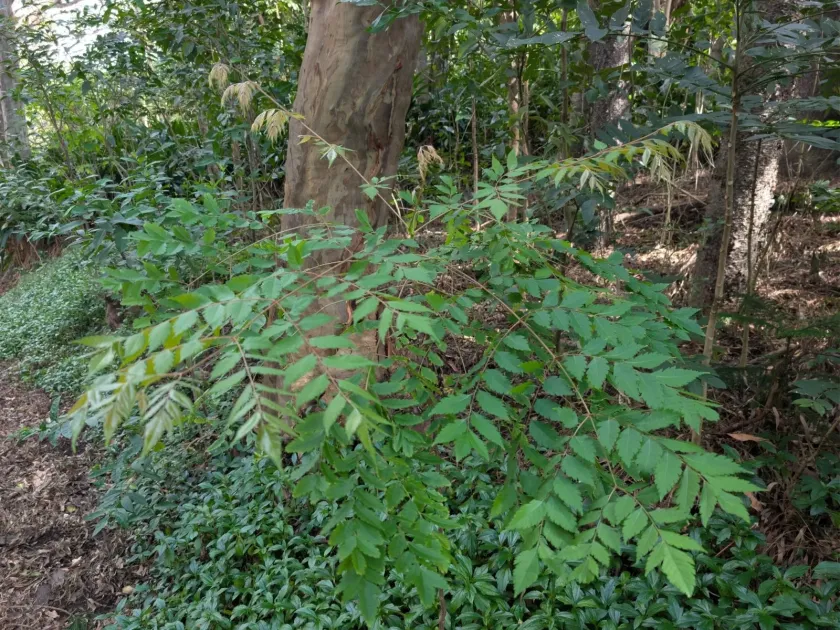
Description
Growing requirements
Koelreuteria elegans, often known as a variety of flame tree, is a deciduous tree belonging to the Sapindaceae family. Native to subtropical areas of East Asia, this species is highly valued for its striking ornamental appearance, particularly its delicate foliage and vibrant seed capsules.
The tree thrives in full sun exposure, which is essential for maintaining a balanced crown shape and promoting seasonal flowering. While young trees can tolerate partial shade, maximum aesthetic output is achieved when the specimen receives at least six to eight hours of direct sunlight daily.
Soil requirements involve well-draining, fertile loamy or sandy substrates. Koelreuteria elegans performs best in neutral to slightly alkaline pH conditions. It is important to avoid waterlogged sites, as the root system is sensitive to prolonged lack of oxygen caused by stagnant moisture.
Climate tolerance is primarily subtropical; the tree requires protection from harsh freezing temperatures, especially in its juvenile phase. Mature trees can withstand moderate cold, but extreme winter conditions can cause frost cracks in the bark, necessitating site selection that provides shelter from cold winds.
Economically and aesthetically, it is primarily used in urban landscaping and park architecture. It serves as an excellent specimen tree or a focal point in landscape design due to its unique seasonal color changes, from bronze-tinted new leaves to yellow flowers and papery bladder-like fruits.
Main diseases and pests
Aphids and scale insects are the most common pests affecting the foliage and succulent stems of Koelreuteria elegans. Integrated pest management, including natural predators and targeted insecticidal soap applications, is effective in controlling infestations before they cause severe damage.
Leaf spot diseases can develop if the planting site lacks sufficient air circulation or if humidity remains high for extended periods. Pruning to thin the canopy helps reduce the incidence of these fungal pathogens by promoting rapid drying of the foliage after rain.
Root rot remains a significant threat if the soil drainage is inadequate. Proper site preparation, including the incorporation of organic matter and gravel if necessary, is critical to prevent the colonization of soil-borne fungi that attack the roots.
Powdery mildew may occur in damp, shaded environments, presenting as a white coating on leaves. Fungicidal treatments are effective when applied at the first signs of infection, combined with corrective pruning to enhance the airflow through the tree's branches.
- Monitoring for pest activity during the spring growth flush
- Applying organic mulch to retain soil moisture while avoiding trunk contact
- Ensuring proper spacing to prevent overcrowding of tree specimens