
Hybrid maple
Acer hybridum
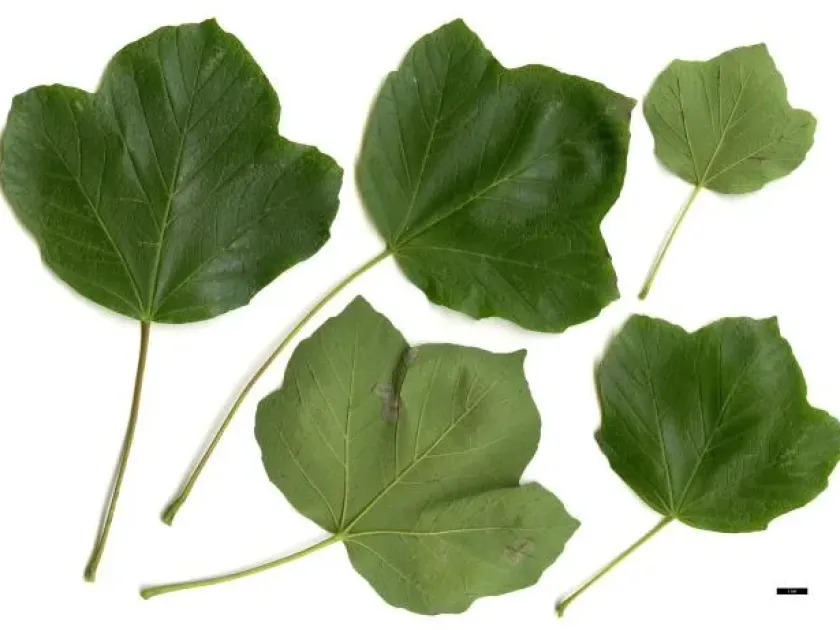
Description
Growing requirements
Hybrid maple (Acer hybridum) is a member of the Sapindaceae family, which is widely recognized for its diverse ornamental and timber-producing trees. This hybrid cultivar was specifically developed to enhance environmental adaptability and vigor.
The culture thrives in deep, well-drained loam soils that maintain consistent moisture levels. A soil pH ranging from slightly acidic to neutral is ideal for promoting healthy nutrient uptake and optimal tree development.
Climate requirements for this species include exposure to full or partial sunlight. While it is hardy in temperate zones, young specimens benefit from shelter against strong winds that can cause excessive transpiration and mechanical damage.
Agronomic practices for hybrid maple focus on balanced fertilization during the spring growth phase. Incorporating organic mulch around the base helps regulate soil temperature and ensures moisture retention throughout the summer season.
In economic terms, this culture is utilized in professional landscaping and commercial forestry. The wood is valued for its durability, making it suitable for high-quality carpentry and interior wood products.
Main diseases and pests
Powdery mildew is a common fungal threat to the hybrid maple, especially in humid conditions. Managing air circulation within the canopy through proper spacing and light pruning is the most effective preventative strategy.
Verticillium wilt is a significant concern for the vascular system of the tree. If infection is detected, prompt removal of affected branches is necessary to prevent the systemic spread of the pathogen throughout the plant.
Pests such as aphids and scale insects frequently attack tender leaves and shoots. Regular monitoring and the application of horticultural oils or insecticidal soaps help keep these populations under control.
Maple leaf miners can cause aesthetic damage to foliage, typically appearing in mid-summer. While rarely fatal, severe infestations can weaken the tree, requiring integrated pest management intervention.
Maintaining high vitality through adequate watering and nutrient management is the primary defense against most diseases. A robust tree is significantly more resilient to the pressures of common pests and pathogens.