
Laurel maple
Acer laurinum
Description
Growing requirements
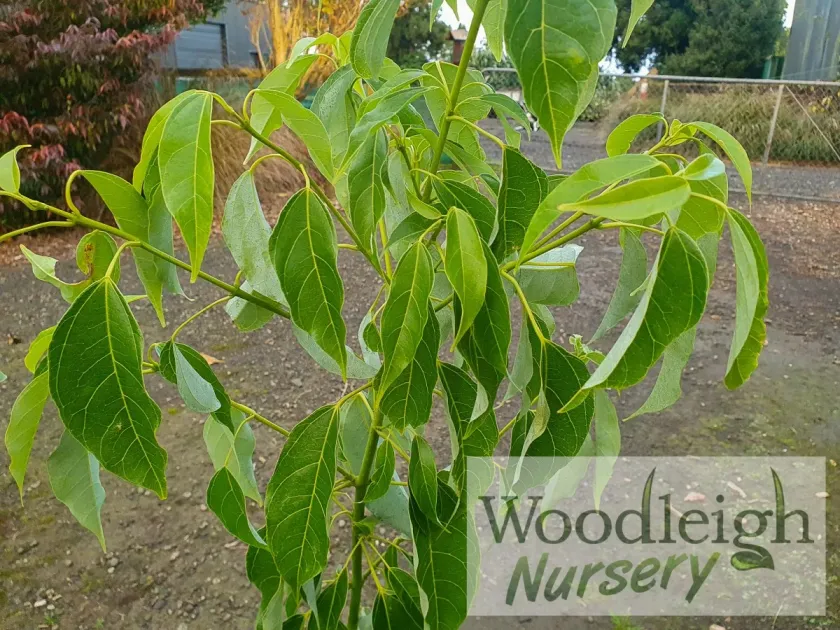
Laurel maple (Acer laurinum) is a distinct species of evergreen tree belonging to the Sapindaceae family. Unlike most maple species which shed their leaves seasonally, this tree maintains its foliage throughout the year.
Originating from the tropical and subtropical regions of Southeast Asia, it is primarily found in the mountainous forests of Indonesia, Malaysia, and the Philippines. The species thrives in environments characterized by high humidity and consistent rainfall.
For successful cultivation, Acer laurinum requires well-draining soil rich in organic matter. It is sensitive to waterlogged conditions, which can lead to root degradation and stunted growth in young saplings.
The tree is strictly heat-loving and cannot survive in regions with frost or freezing temperatures. Providing a stable, warm microclimate is essential for maintaining the tree's health and vigor during the growing season.
Light management is crucial, as the species prefers bright, indirect light during its early developmental stages, transitioning to full sun exposure as it matures. Proper spacing between trees is recommended to ensure optimal air circulation and light distribution.
Main diseases and pests
The Laurel maple is susceptible to various fungal pathogens that thrive in tropical climates. Root and stem rot are significant threats that can compromise the structural integrity of the tree if not addressed promptly.
Insects, particularly wood-boring beetles, pose a major challenge to plantation health. Implementing integrated pest management strategies is necessary to minimize damage and prevent localized infestations from spreading.
Deforestation and habitat destruction represent the most significant threats to the species' survival in the wild. Protecting natural corridors is essential for maintaining genetic diversity and ensuring the resilience of the species.
Soil nutrient depletion due to over-intensive harvesting can lead to reduced vigor and increased susceptibility to environmental stress. Fertilization programs must be based on regular soil testing to maintain balance.
Abiotic stressors such as extreme droughts or typhoons can cause severe mechanical damage. Implementing protective measures, such as windbreaks and irrigation systems, helps mitigate the impact of unpredictable weather patterns on commercial plantations.
Harvesting
The primary economic use of Laurel maple lies in its timber, which is valued for its durability and aesthetic appeal. It is commonly utilized in the manufacturing of high-quality furniture, flooring, and fine joinery works.
Sustainable harvesting practices are implemented to manage timber production, ensuring that the ecological integrity of the forests is preserved. Selective logging remains the preferred method for long-term forestry management.
In landscape architecture, the tree is prized for its year-round evergreen canopy, providing deep shade and aesthetic value. It is increasingly used in urban forestry and parks within its native geographical range.
Research into the secondary metabolites of the tree suggests potential applications in specialized chemical industries, although this field is still developing. Industrial harvesting is primarily focused on trunk timber rather than leaf or bark biomass.
Seed collection for reforestation and nursery propagation is conducted during the dry season. Proper drying and cold storage of seeds are required to maintain high germination rates for future plantings.