
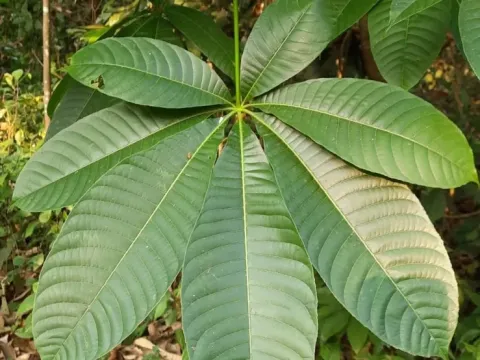
Assam horse chestnut
Aesculus assamica
Aesculus assamica, known as the Assam horse chestnut, is a deciduous tree belonging to the Sapindaceae family. It is recognized for its elegant foliage and significant size in its natural habitat.
What the section contains
Assam horse chestnut
The species originates from the warm, humid forests of Southeast Asia, including parts of Northeast India, Myanmar, and China. It thrives in environments where high humidity and mild temperatures persist throughout the year.
For successful cultivation, it requires fertile, well-draining soil that is rich in organic matter. Maintaining consistent soil moisture is essential, as this tree is highly sensitive to drought conditions.
The tree prefers partial shade or dappled sunlight during its juvenile stage, protecting the leaves from scorching. As it matures, it can handle more light provided the root system remains cool and moist.
Agrotechnical practices focus on providing organic mulch around the base to preserve moisture and performing light pruning to maintain a strong central leader and balanced crown structure.
Common health threats include various fungal pathogens that flourish in damp, stagnant air. Leaf spot diseases are particularly prevalent if the tree is planted in areas with poor ventilation.
Pest issues often involve leaf-mining insects that target the foliage, causing aesthetic damage and reducing the tree's photosynthetic capacity during the growing season.
Integrated pest management is recommended, utilizing biological controls or targeted insecticides only when infestations exceed acceptable economic or aesthetic thresholds.
Root rot caused by overwatering or poor soil drainage is a critical physiological threat that can lead to rapid decline if not identified and corrected through site modification.
Regular monitoring of the underside of leaves for mite populations is an important preventive measure to ensure the tree maintains its vigor throughout the hot months.