
Aconitum lasiostomum
Aconitum lasiostomum
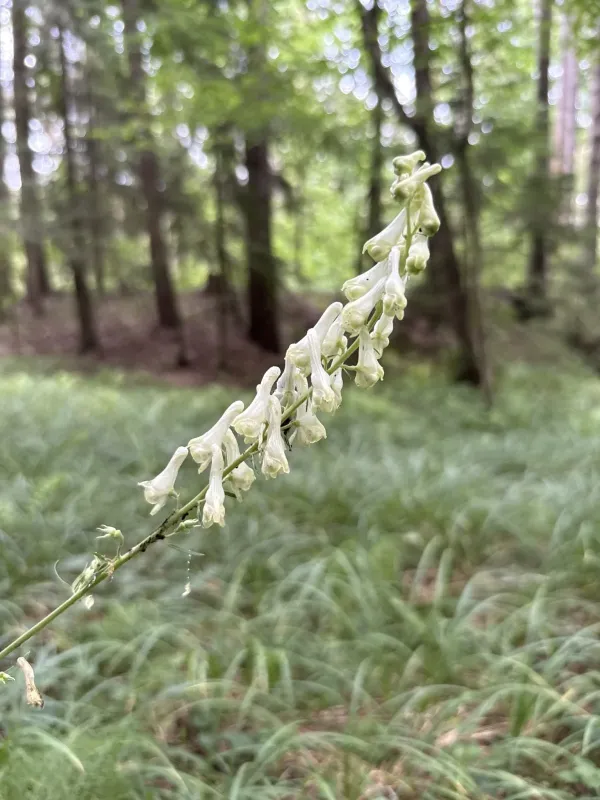
Description
Sowing dates
Sowing seeds of Aconitum lasiostomum is most effective when done in late autumn, allowing the seeds to undergo natural stratification in the soil throughout the winter months, which is vital for germination.
For those opting for spring sowing, seeds must undergo artificial stratification in a refrigerator at temperatures between +2 and +5 degrees Celsius for several months prior to planting to ensure proper development.
The seeds should be planted at a depth of 1–2 centimeters. Maintaining consistent moisture in the upper layer of the soil is crucial during the germination phase to prevent the seeds from drying out prematurely.
Seedlings usually emerge within 3 to 4 weeks after the soil warms up sufficiently. It is important to thin the young plants to prevent overcrowding, which can inhibit growth and lead to poor plant structure.
Vegetative propagation via root division in autumn is also a highly reliable method for gardeners. This technique ensures that the new plant quickly establishes a healthy root system before the onset of winter dormancy.
Growing requirements
Aconitum lasiostomum, belonging to the Ranunculaceae family, is a perennial herbaceous plant known for its robust and fleshy rhizomes that store nutrients for the upcoming growth season.
The plant thrives in fertile, well-draining loamy soils with a neutral or slightly acidic pH. It is sensitive to excessive waterlogging, which can easily trigger rot in the root system, making site drainage a priority.
Although it is a shade-tolerant species, it performs best in locations that provide filtered light. Intense, direct sunlight can scorch the foliage and significantly shorten the flowering duration of the plant.
This species is well-adapted to cooler climates and exhibits excellent winter hardiness. During the winter, the aerial parts of the plant die back completely, while the dormant rootstock remains protected in the ground.
Regular maintenance involves light weeding and soil aeration around the root zone. Applying organic mulch helps to stabilize soil temperature and moisture levels throughout the varying weather of the growing season.
Main diseases and pests
The primary fungal threat to this plant is powdery mildew, which often develops in areas with high humidity or poor air circulation around the foliage. Proper spacing can help mitigate this risk significantly.
Root rot is a critical hazard for Aconitum lasiostomum, especially if the soil lacks adequate drainage. Ensuring that the site does not accumulate stagnant water is the best prevention method against this disease.
Aphids are the most common pests that affect these plants. They cluster on fresh shoots and flower buds, sucking the sap and weakening the plant's overall vitality, which may require targeted intervention.
Leaf-eating insects can also cause aesthetic and physiological damage to the leaves. Monitoring the foliage periodically during the active growing phase allows for timely removal or treatment of these pests.
Due to the inherent high toxicity of Aconitum lasiostomum, all handling and pest control measures should be performed with appropriate personal protective equipment to avoid skin contact with plant sap.
Harvesting
The economic and medicinal value of Aconitum lasiostomum lies in its roots, which are harvested for their concentrated alkaloid content used in specialized pharmaceutical applications.
Harvesting should occur in late autumn once the aerial parts of the plant begin to wither and die back. This stage ensures the maximum concentration of active biological compounds within the root system.
Roots must be carefully excavated, washed to remove soil debris, and dried promptly in a well-ventilated area or a specialized drying oven at temperatures below 50 degrees Celsius to maintain chemical integrity.
Storage requires a cool, dry, and secure location, strictly segregated from any other materials. All packages must be clearly labeled with warning signs regarding the extreme toxicity of the substance.
Professional medical supervision is mandatory when dealing with products derived from this species. The narrow margin between the medicinal effect and toxicity requires precise dosage and expert guidance.