
Ackee
Blighia
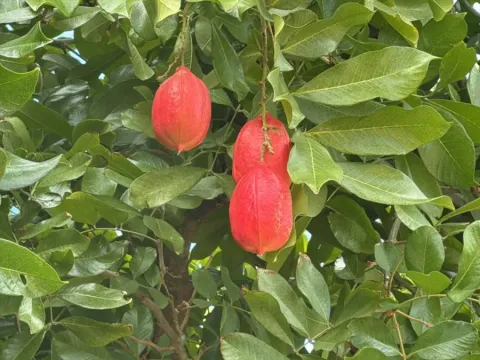
Ackee (Blighia sapida) is an evergreen fruit tree belonging to the Sapindaceae family. Native to West Africa, it is widely recognized today as the national fruit of Jamaica, where it has become a staple agricultural crop.
What the section contains

Ackee
The tree grows to a height of 10 to 12 meters, characterized by a dense canopy and compound, pinnate leaves. It thrives in tropical climates where temperatures remain consistently warm, typically between 22°C and 30°C throughout the year.
Regarding soil requirements, Ackee prefers deep, well-drained, and fertile soils. While the plant appreciates high humidity, it is intolerant to waterlogged conditions, which can lead to rapid root rot and tree decline.
Climatic adaptability is very limited, as the tree is extremely sensitive to frost and cold winds. Successful cultivation is restricted to tropical and sub-tropical zones where the absence of freezing temperatures is guaranteed year-round.
A crucial botanical fact is the maturity indicator of the fruit. The Ackee fruit consists of a capsule that splits open naturally when ripe, revealing edible arils attached to toxic seeds. Harvesting must only occur once the fruit has naturally dehisced.
Ackee trees are productive, and a single mature, well-maintained tree can produce between 50 and 150 kilograms of fruit per season. The yield is highly dependent on rainfall patterns and tree age.
The tree typically fruits twice a year, providing two harvest seasons. This frequency supports a continuous supply chain for local markets and the export of canned Ackee products, which are in high demand internationally.
The culinary and economic value lies in the creamy, yellow arils, which are rich in fatty acids and protein. This makes the fruit not just a garnish, but a substantial component of the diet in Caribbean cuisine.
The commercial processing of Ackee is highly regulated. Factories must strictly adhere to safety standards to ensure that no toxic parts of the fruit, such as the immature arils or the seeds, are included in the final canned product.
Harvesting is labor-intensive and requires manual work. Workers must monitor the orchards daily to identify fruits that have just split open, ensuring they are picked before they spoil or become damaged by birds and insects.
The most significant threats to Ackee cultivation are fungal pathogens that thrive in warm, humid conditions. These can cause leaf spots and fruit rot, leading to substantial yield losses if not managed properly.
Common pests affecting the tree include scales and mealybugs. These insects colonize the twigs and leaves, sucking plant sap, weakening the tree, and reducing the overall vigor and productivity of the orchard.
Fruit flies represent another major threat, as they puncture the developing fruit to lay eggs. This not only destroys the fruit but also creates pathways for secondary fungal infections to settle inside the capsule.
Nematode infestations can occur in sandy soils, hindering nutrient uptake and causing yellowing of leaves. Maintaining soil health through organic mulching and proper fertilization helps mitigate these underground issues.
Integrated Pest Management (IPM) practices, including pruning for better air circulation and the use of natural predators, are recommended for sustainable commercial Ackee production to avoid excessive reliance on chemical pesticides.