
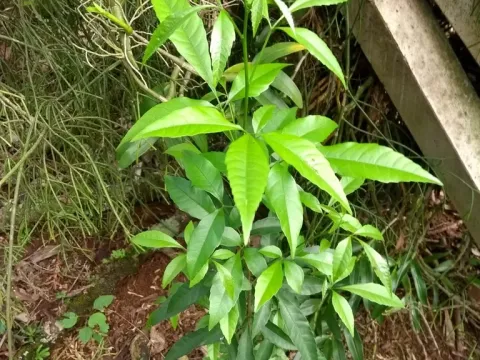
Allophylus
Allophylus
Allophylus is a genus of evergreen trees and shrubs belonging to the Sapindaceae family. In natural habitats, seed propagation typically occurs at the end of the rainy season when soil moisture is optimal for germination.
What the section contains
 African Allophylus
Allophylus africanus
African Allophylus
Allophylus africanus
 Allophylus abyssinicus
Allophylus abyssinicus
Allophylus abyssinicus
 Allophylus alnifolius
Allophylus alnifolius
Allophylus alnifolius
 Allophylus borbonicus
Allophylus borbonicus
Allophylus borbonicus
 Allophylus cobbe
Allophylus cobbe
Allophylus cobbe
 Allophylus cominia
Allophylus cominia
Allophylus cominia
 Allophylus crassinervis
Allophylus crassinervis
Allophylus crassinervis
 Allophylus dregeanus
Allophylus dregeanus
Allophylus dregeanus
 Allophylus edulis
Allophylus edulis
Allophylus edulis
 Allophylus ferrugineus
Allophylus ferrugineus
Allophylus ferrugineus
 Allophylus natalensis
Allophylus natalensis
Allophylus natalensis
 Allophylus occidentalis
Allophylus pervillei
Allophylus pervillei
Allophylus occidentalis
Allophylus occidentalis
Allophylus pervillei
Allophylus pervillei
 Allophylus pseudopaniculatus
Allophylus racemosus
Allophylus racemosus
Allophylus roigii
Allophylus roigii
Allophylus spicatus
Allophylus spicatus
Allophylus pseudopaniculatus
Allophylus pseudopaniculatus
Allophylus racemosus
Allophylus racemosus
Allophylus roigii
Allophylus roigii
Allophylus spicatus
Allophylus spicatus
 Allophylus zeylanicus
Allophylus zeylanicus
Allophylus zeylanicus
Allophylus
Professional cultivation requires stratification of seeds, which tend to lose viability quickly after extraction from the fruit. The optimal temperature for sowing in controlled environments is 22-25 degrees Celsius.
Seeds should be planted at a depth of no more than 1-1.5 centimeters in a light, well-draining substrate. Initial seedlings usually emerge within 3-5 weeks under conditions of regular irrigation.
Transplanting seedlings to a permanent location is carried out after the plant has established a robust root system and produced 3-4 pairs of true leaves. Spacing between rows should be at least 3 meters.
For commercial purposes, vegetative propagation via cuttings is preferred, as it ensures the preservation of specific varietal traits and accelerates the onset of the fruiting period.
The culture is thermophilic and thrives in tropical and subtropical climates. The optimal temperature range for active growth is 20-30 degrees Celsius, and the plant cannot tolerate frost.
Allophylus has high light requirements and prefers open areas with direct sunlight. Shaded conditions lead to loose canopy structure and significantly reduced productivity.
Soil preferences include well-drained loams or sandy soils with a neutral or slightly acidic pH level. Waterlogging in the root zone is lethal to most species within this genus.
The plant demonstrates relative drought tolerance due to its dense foliage; however, regular irrigation during the growing season is essential for maximizing fruit yield.
Recommended agronomic practices include the application of organic fertilizers around the base of the trees in early spring to stimulate shoot growth and overall plant health.
Economic utilization of Allophylus is centered on the harvesting of its edible fruits, which are small drupes produced in dense clusters. Yield depends heavily on the tree age and environmental conditions.
The fruits are rich in sugars and micronutrients, serving as a popular local food resource in various regions of Southeast Asia and Africa.
The wood of certain Allophylus species is known for its durability and is utilized in traditional construction, the manufacture of small farm tools, and woodcraft.
Leaves and bark are traditionally employed in folk medicine as a source of tannins and antiseptic compounds for wound treatment and various health applications.
Despite low international commercial significance, the culture plays a vital role in maintaining local biodiversity and providing food security in rural regions.
Primary threats to Allophylus health include fungal leaf diseases that thrive under high humidity conditions and poor air circulation within the tree canopy.
Pests such as aphids and scale insects can attack young shoots, draining sap and weakening the plant's immune system. Systemic insecticides are effective for their control.
Root rot represents the most dangerous disease, typically caused by overwatering and heavy, compacted soil. Prevention focuses on proper irrigation management and drainage.
Leaf miners can significantly reduce photosynthetic surface area, negatively impacting the plant's ability to produce fruits and affecting the total crop volume.
To minimize risks, regular sanitary pruning is recommended to remove damaged or dry branches, which prevents the development of pathogenic microflora foci.
Harvesting of Allophylus fruits is conducted manually as they ripen, which is indicated by the shell color changing to a bright red or orange hue.
The fruits are sensitive to mechanical damage and lose marketability quickly if transported carelessly, requiring the use of protective containers.
After harvesting, fruits should be processed or consumed promptly, as they have a very short shelf life at room temperature.
For longer-term storage, fruits can be dried, allowing for the preservation of nutrients and use as a dietary supplement during the off-season.
Harvesting should occur during dry weather conditions to prevent fruit spoilage by molds and fungi during subsequent storage in warehouses.