
Balloon vine
Cardiospermum grandiflorum
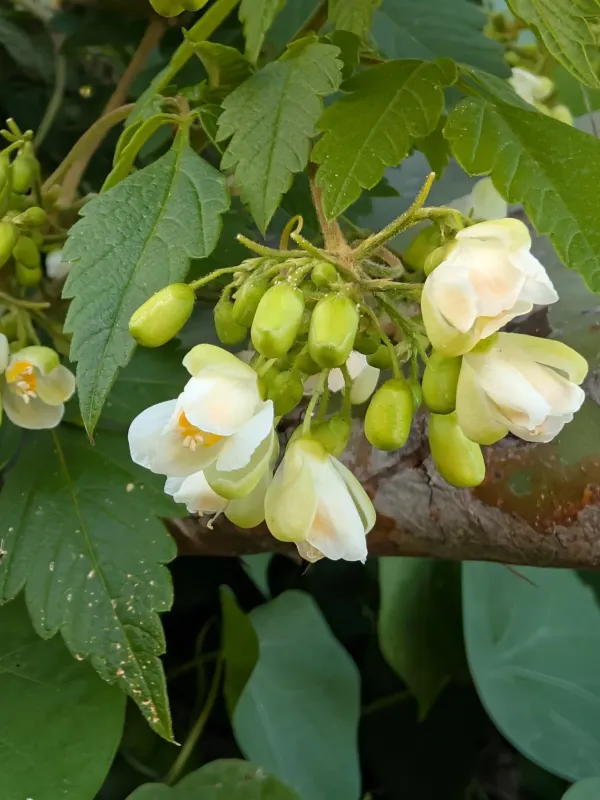
Description
Growing requirements
Cardiospermum grandiflorum, commonly known as the Balloon vine, is a perennial climbing plant belonging to the Sapindaceae family. It is recognized for its unique inflated seed pods which serve as a mechanism for seed dispersal and contribute to its characteristic ornamental appearance.
Native to tropical regions of the Americas and Africa, this plant has spread globally as a fast-growing vine. While it is treated as a perennial in tropical climates, it is cultivated as an annual crop in temperate regions due to its extreme sensitivity to frost and cold environmental conditions.
The plant requires full sun exposure and warm temperatures, ideally between 20°C and 28°C, to maximize biomass production. It is highly intolerant of freezing temperatures, which necessitates careful site selection and seasonal management in non-tropical agricultural zones.
Optimal soil requirements include well-draining, fertile soil with a neutral to slightly acidic pH level. High organic matter content significantly boosts the growth rate, though the plant is capable of adapting to various soil textures provided that there is no waterlogging in the root zone.
Cultivation practices involve the installation of vertical trellises or netting to support the rapid upward growth of the vines. Regular irrigation is required during the vegetative phase to maintain moisture, while supplemental nitrogen-rich fertilizers can promote leaf development during the early stages of growth.
Main diseases and pests
Common pests affecting Cardiospermum grandiflorum include aphids and spider mites, particularly under conditions of high temperature and low humidity. These pests can significantly reduce the photosynthetic capacity of the foliage if not controlled with appropriate horticultural oils or biological insecticides.
Pathogenic threats primarily involve root rot and fungal wilt, which are typically triggered by poor soil drainage and excessive moisture accumulation. To mitigate these risks, agronomists should implement proper crop spacing to ensure adequate air circulation and maintain strict control over irrigation schedules.