
Blighia welwitschii
Blighia welwitschii
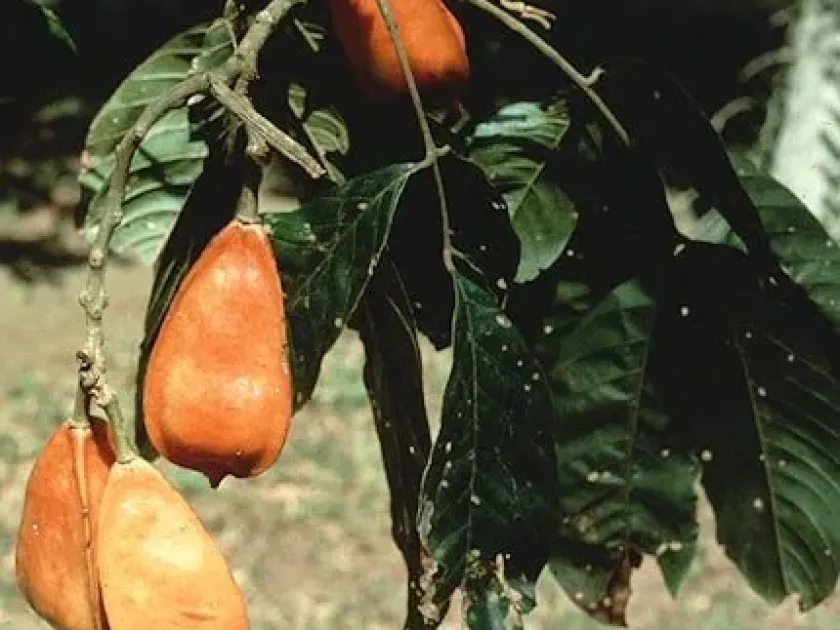
Description
Growing requirements
Blighia welwitschii is a significant tree species belonging to the Sapindaceae family, native to the tropical forests of Central and Western Africa. It is a large, evergreen tree that serves as a key element of the forest canopy.
The culture thrives in environments characterized by high annual rainfall and constant humidity. It requires a tropical climate with minimal seasonal temperature fluctuations to ensure proper physiological development and growth.
In terms of soil, it prefers deep, nutrient-rich loamy soils that provide excellent drainage. The tree is sensitive to waterlogged conditions, making site selection a critical factor for successful establishment of the crop.
Agronomic management of Blighia welwitschii is largely focused on seedling production. Since the seeds are recalcitrant and sensitive to desiccation, they must be sown promptly after extraction to maintain viability.
The establishment of plantations requires strict adherence to natural forest conditions, often utilizing shade during the early stages of growth to mimic the understory environment where the species naturally recruits.
Harvesting
The primary economic application of this tree is its high-quality timber. The wood is dense and durable, making it highly sought after for local construction, heavy furniture, and high-end cabinetry applications.
Harvesting is typically managed through long-term forestry cycles. Given the species' biological growth rate, sustainable harvest practices are essential to balance economic utilization with the preservation of natural populations.