
Blighia unijugata
Blighia unijugata
Description
Growing requirements
Blighia unijugata is a significant evergreen tree belonging to the Sapindaceae family. Known for its robust growth, it can reach impressive heights, often becoming a dominant canopy tree in its native tropical forest habitats throughout Africa.
The species is indigenous to a wide range of African countries, thriving in diverse environments from lowland rainforests to semi-deciduous forest zones. It prefers nutrient-rich, deep, and well-drained soils, which are essential for supporting its large root system.
Regarding climatic requirements, the tree demands warm tropical temperatures year-round. It is sensitive to frost and relies on consistent rainfall patterns to maintain healthy leaf development and fruit production, though it shows some resilience to seasonal water scarcity.
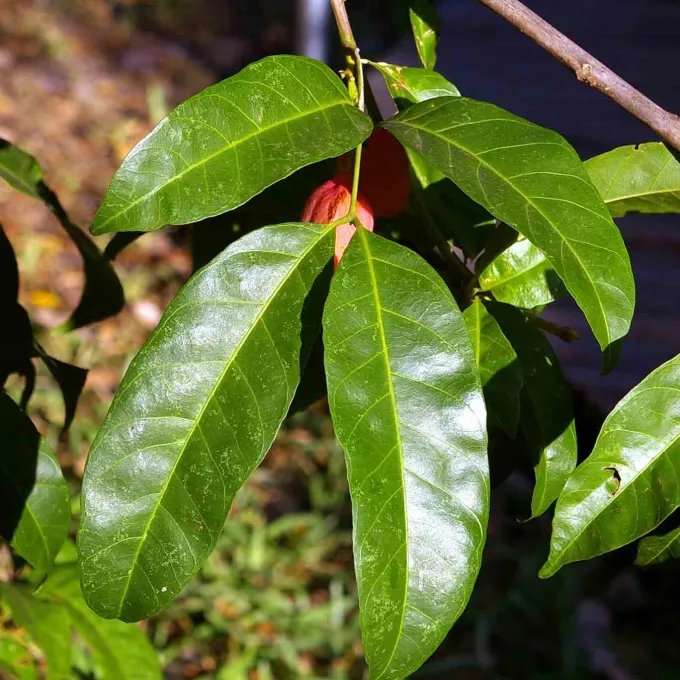
Botanically, it is distinguished by its pinnate leaves and small, fragrant flowers. Its fruit development is particularly interesting, featuring capsules that split open to display seeds, providing a source of nutrients for local fauna, which aids in seed dispersal.
Economically, the tree is highly valued primarily for its high-quality timber. The wood is dense and durable, making it an excellent material for construction, heavy furniture, and various artisanal uses in the regions where it is cultivated.
Main diseases and pests
The tree can be affected by various fungal pathogens that thrive in warm and humid conditions, which can lead to bark decay. Regular monitoring of tree health and ensuring proper spacing between individuals are key management practices.
Wood-boring insects represent the most significant pest risk for this species. These insects can compromise the internal structure of the trunk, significantly impacting timber quality and overall tree longevity if not managed through sustainable forestry practices.