
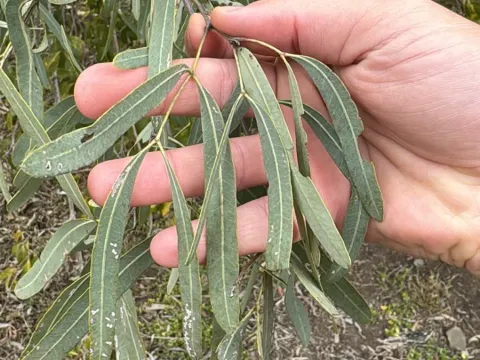
Atalaya
Atalaya
Atalaya is a genus of trees and shrubs belonging to the Sapindaceae family. Native primarily to Australia, these plants exhibit significant biological diversity and have evolved to thrive in environments ranging from humid rainforest edges to more arid woodland areas.
What the section contains

Atalaya
Botanically, Atalaya is defined by its compound leaves and distinctive winged fruits, known as samaras, which are highly efficient at wind dispersal. The architecture of the tree is typically robust, with a dense canopy that provides significant shade in its natural habitat.
The cultivation of Atalaya requires specific climatic conditions, favoring regions with consistent warmth and a lack of severe frost. The plant is generally hardy once established, but it demonstrates its best growth performance when moisture is available during the initial development phases.
Soil requirements focus on excellent drainage, as the root systems of Atalaya are highly sensitive to prolonged waterlogging. Soils that are slightly acidic to neutral are generally preferred, and light aeration helps in promoting healthy root structure and nutrient absorption.
The хозяйственное usage of Atalaya is predominantly focused on ornamental horticulture and urban greening. Because of its attractive foliage and structural integrity, it is a favored choice for landscape architects looking to incorporate native species that offer aesthetic appeal with minimal maintenance.
Atalaya can be susceptible to common garden pests, including aphids, scale insects, and various borers that target the woody stems. Regular monitoring and the application of integrated pest management strategies are essential to maintain the health and vigor of the trees.
Fungal infections, often manifested as leaf spots or bark cankers, can occur if the plant is grown in overly humid conditions with poor air circulation. Pruning away affected branches and ensuring adequate space between trees are key cultural practices to mitigate these risks.