
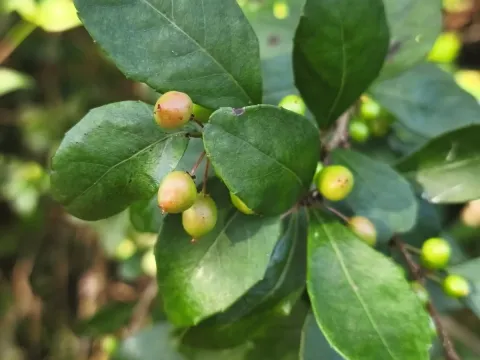
Xylosma
Xylosma
Xylosma is a genus of evergreen shrubs and small trees belonging to the Salicaceae family. These plants are native to the tropical and subtropical regions of Asia, the Americas, and the Pacific Islands, where they thrive in diverse ecological conditions.
What the section contains
 Hawaiian Xylosma
Xylosma hawaiiensis
Hawaiian Xylosma
Xylosma hawaiiensis
 Japanese Xylosma
Xylosma japonica
Xylosma avilae
Xylosma avilae
Japanese Xylosma
Xylosma japonica
Xylosma avilae
Xylosma avilae
 Xylosma buxifolia
Xylosma buxifolia
Xylosma buxifolia
 Xylosma ciliatifolia
Xylosma congesta
Xylosma congesta
Xylosma ciliatifolia
Xylosma ciliatifolia
Xylosma congesta
Xylosma congesta
 Xylosma crenatum
Xylosma crenatum
Xylosma crenatum
 Xylosma flexuosa
Xylosma flexuosa
Xylosma flexuosa
 Xylosma glaberrima
Xylosma glaberrima
Xylosma glaberrima
 Xylosma martinicensis
Xylosma nelsonii
Xylosma nelsonii
Xylosma martinicensis
Xylosma martinicensis
Xylosma nelsonii
Xylosma nelsonii
 Xylosma pachyphylla
Xylosma pachyphylla
Xylosma pachyphylla
 Xylosma schaefferioides
Xylosma schaefferioides
Xylosma schaefferioides
 Xylosma schwaneckeana
Xylosma schwaneckeana
Xylosma schwaneckeana
Xylosma
Botanically, Xylosma is distinguished by its glossy, leathery leaves and sometimes thorny branches, which make it an excellent choice for protective hedges. The plants produce small, often inconspicuous flowers followed by small berries.
Regarding climatic requirements, Xylosma prefers sunny to semi-shaded locations with moderate temperatures. While some species show moderate frost tolerance, most thrive in warmer climates where they can maintain their lush foliage throughout the year.
Soil requirements involve well-draining, fertile ground. The plant does not tolerate waterlogging, so providing a loose, nutrient-rich soil medium is essential for promoting healthy root system development and robust growth.
Agrotechnical practices focus on consistent irrigation during the establishment phase and regular pruning to maintain the desired shape. Pruning is vital for Xylosma, as the plant responds well to shearing, making it a staple in ornamental landscaping.
Common pests that may affect Xylosma include scale insects and spider mites. These pests typically congregate on the undersides of leaves or along stems, feeding on plant sap and potentially causing stunted growth.
Fungal diseases, such as leaf spot, represent a primary threat, especially in environments with high humidity and poor air circulation. These pathogens thrive when the foliage remains wet for extended periods after rain or irrigation.
Integrated pest management is the recommended approach for maintaining a healthy Xylosma plantation. This involves routine inspection of the foliage and early intervention using eco-friendly soaps or systemic insecticides if a breakout occurs.
Cultural control is paramount in preventing disease. Proper spacing during planting ensures that wind can pass through the foliage, significantly reducing the moisture levels that promote fungal outbreaks.
Sanitation practices, such as removing fallen leaves and pruning away infected branches, play a crucial role in limiting the spread of diseases. Keeping the area around the base of the plant clean and free of debris helps prevent recurring infections.