
Xylosma martinicensis
Xylosma martinicensis
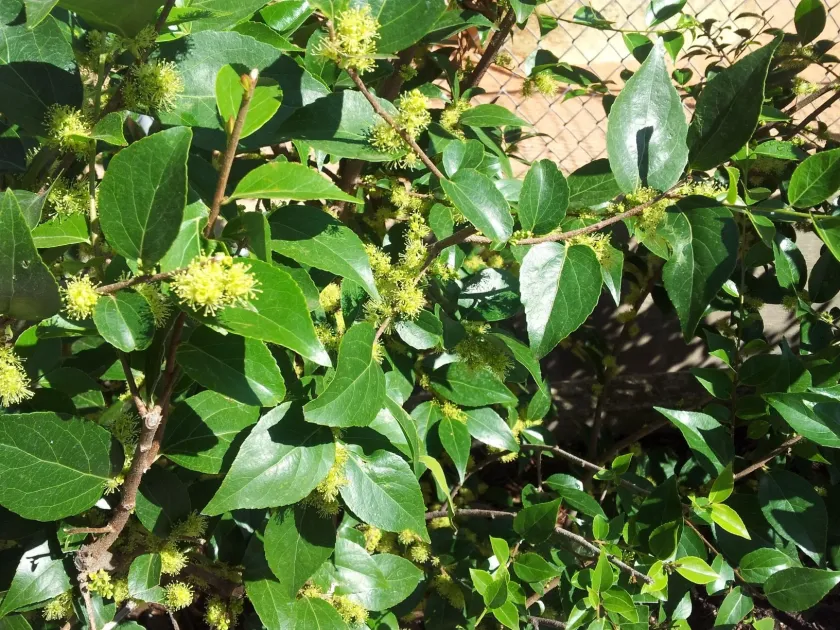
Description
Growing requirements
Xylosma martinicensis is an evergreen woody plant belonging to the Salicaceae family. Naturally occurring in the Caribbean and parts of South America, this species is highly valued for its dense foliage and adaptability in tropical and subtropical landscaping.
The plant thrives in full sun or partial shade and prefers well-draining soil. It is remarkably versatile regarding soil types, though it performs best in fertile, slightly moist ground with a neutral to slightly acidic pH level.
Botanically, it features leathery, glossy, ovate leaves that create a lush, dark green appearance. Because of its tolerance to frequent pruning, it is extensively used for hedges, privacy screens, and decorative topiary designs in garden management.
Climatic requirements are centered on consistently warm conditions. While it can handle mild fluctuations, it is essentially a tropical plant that does not tolerate severe or prolonged frost. Proper air circulation is vital for its health.
Agricultural management involves regular watering during dry spells, especially for young specimens. Applying balanced fertilizers during the active growing season is essential to maintain its vivid leaf color and structural density throughout the year.
Main diseases and pests
This shrub is generally robust, but it can be susceptible to issues when drainage is inadequate. Root rot is the primary threat if the roots remain saturated with water for extended periods, leading to yellowing of foliage and plant decline.
Pests such as scale insects and mealybugs can colonize the leaves, particularly in dense, poorly ventilated areas of the canopy. Regular thinning of the branches helps improve airflow, which acts as a deterrent for these common garden pests.
In case of infestation, systemic insecticides are the most effective solution for management. Early detection is key, so monitoring the undersides of the leaves during the warmer months is highly recommended for any professional gardener.
Fungal leaf spot diseases may appear during humid or rainy seasons. Keeping the foliage as dry as possible and removing any fallen leaves from under the shrub helps reduce the spread of spores and improves overall plant hygiene.
Implementing a balanced maintenance schedule, including soil monitoring and correct pruning techniques, will ensure that the plant remains healthy and resistant to opportunistic infections throughout its lifecycle.