
Japanese Xylosma
Xylosma japonica
Description
Growing requirements
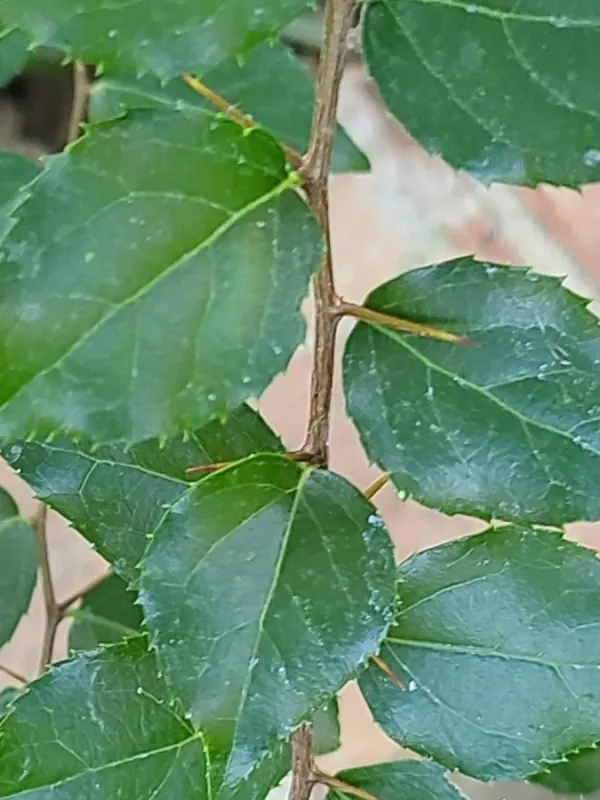
Japanese Xylosma (Xylosma japonica) is an evergreen tree or large shrub belonging to the Salicaceae family. Native to East Asia, it thrives in warm, temperate to subtropical climates and is highly regarded for its attractive, glossy foliage.
For optimal growth, this plant requires full sun to partial shade. While it shows some tolerance to cold, it is best suited for climates where temperatures do not drop drastically, as severe frost can damage the leaves and tender new growth.
The plant grows best in well-drained, fertile soil with a neutral to slightly acidic pH. It does not tolerate waterlogged conditions, which can lead to root rot; therefore, selecting a planting site with good drainage is crucial for plant longevity.
Maintenance involves routine watering during dry spells, especially while the plant is establishing itself. Xylosma japonica is famous for its high tolerance to pruning, making it an excellent choice for formal hedges, screens, and topiary arrangements.
In landscape design, it serves as a versatile structural plant. It provides a dense, year-round green screen that creates privacy and acts as an effective background for flowering perennials in a garden border.
Main diseases and pests
Japanese Xylosma is generally considered a robust and disease-resistant shrub. However, if air circulation is poor or the foliage remains damp for extended periods, it may become susceptible to leaf spot diseases caused by various fungi.
Pests that occasionally affect this culture include scale insects and whiteflies. These pests can cause the leaves to lose their luster and, in heavy infestations, lead to the development of sooty mold due to the honeydew they produce.
Regular monitoring is the best defense against infestations. Inspecting the underside of the leaves periodically allows for early detection of pests, which can then be managed with appropriate horticultural oils or systemic insecticides.
Cultural practices, such as removing dead or overcrowded branches, improve airflow through the canopy and reduce the risk of infection. Keeping the plant healthy through balanced fertilization also helps it withstand minor pest pressure.
Overall, with appropriate site selection and basic maintenance, Japanese Xylosma remains an excellent, low-maintenance option for professional landscaping projects that require reliable and attractive evergreen cover.