
Yellowing Willow
Salix xanthicola
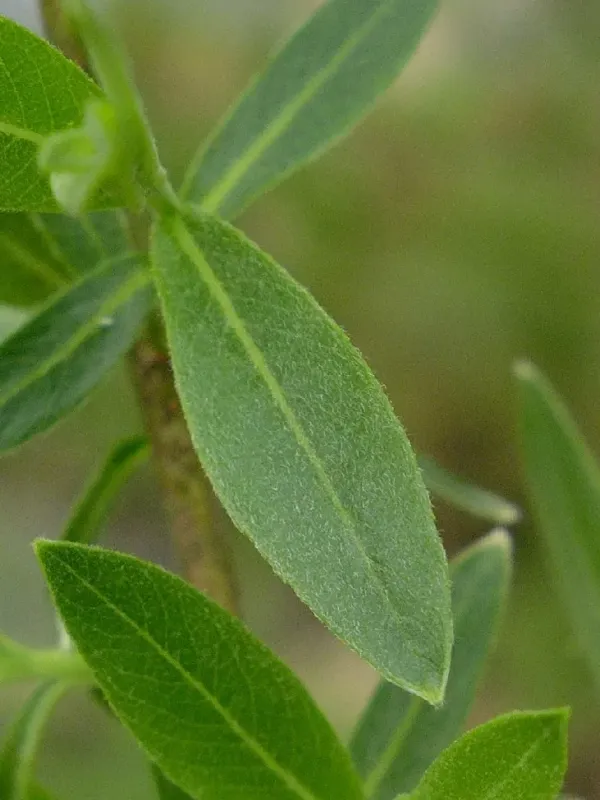
Description
Sowing dates
Commercial propagation of Salix xanthicola is primarily achieved through vegetative cutting. The ideal period for harvesting and planting cuttings is early spring, just before active sap flow begins, typically around March or early April.
Cuttings measuring 20 to 25 centimeters are planted into pre-moistened, well-loosened soil, ensuring that only one or two buds remain above the surface. Using high-quality planting material ensures a near-perfect survival rate for the crop.
When establishing plantations, specific spacing patterns should be followed depending on the end-use of the willow. For high-quality wicker production, dense spacing of 30 to 40 centimeters between plants is commonly practiced.
During the first few weeks post-planting, maintaining consistent soil moisture is crucial to preventing dehydration. Regular irrigation during this stage supports the rapid development of a robust root system, essential for vigorous shoot growth.
While late autumn planting is possible if regional climate allows for rooting before the onset of hard frost, spring planting remains the gold standard for most commercial agricultural operations.
Growing requirements
As a member of the Salicaceae family, Salix xanthicola exhibits high ecological plasticity. It performs best in well-drained but consistently moist soils and is naturally adapted to riverbanks and floodplain environments.
The crop has moderate fertility requirements, though it achieves its peak biomass yield on loamy or sandy loam soils rich in organic matter. It possesses a notable tolerance for temporary waterlogging conditions.
This willow species is heliophilic, requiring open, well-lit areas for optimal plantation establishment. Excessive shade significantly impairs growth productivity, resulting in thinner and more brittle stems that are less suitable for industrial use.
The optimal pH range for cultivation is slightly acidic to neutral. High levels of soil alkalinity can suppress growth and reduce the overall resilience of the plant to environmental stressors.
Salix xanthicola is well-adapted to temperate climate zones, showing strong winter hardiness. It can successfully withstand spring temperature fluctuations, which are common within its natural range of distribution.
Yield
The primary economic focus of this crop is the sustainable production of woody biomass. With optimized agrotechnology, significant yields of dry matter can be achieved as early as the second or third year post-establishment.
When cultivated for basketry, yield is measured by the quality, length, and flexibility of annual shoots. Proper management ensures the development of numerous straight, supple branches ideal for craft applications.
As an energy crop, the yield of Salix xanthicola is measured in tons of dry matter per hectare. The implementation of selective breeding and targeted fertilization can further enhance production by up to 20 percent.
Regular pruning cycles stimulate coppicing, which directly drives increased total biomass production. Older plantations may require periodic rejuvenation cuts to maintain high yield consistency over long-term cycles.
Harvesting on a large scale is conducted using specialized mechanical equipment, which minimizes labor costs and ensures that large areas can be cleared efficiently within the optimal harvest window.
Main diseases and pests
The most significant pathological threat to Salix species is leaf rust, caused by fungal pathogens. This disease manifests as yellow-orange pustules, leading to premature defoliation and stunted growth rates.
The willow leaf beetle is a frequent pest capable of inflicting substantial damage on young shoots and foliage during population outbreaks. Integrated pest management, including biological control, is recommended for mitigation.
Powdery mildew may occur in conditions of high humidity combined with poor ventilation within the plantation. Preventive measures include maintaining optimal planting density and removing infected plant debris.
Stem-boring insects, such as specific wood-borers, can affect mature trees, weakening the internal structure of the wood and reducing the overall quality of the harvested raw material.
Utilizing disease-resistant varieties and strictly following rotation schedules are the cornerstones of agrotechnology, helping to minimize the impact of pests and diseases on plantation profitability.
Harvesting
Harvesting for basketry purposes is conducted during the plant's dormancy phase in late autumn or early spring. This timing ensures maximum flexibility and durability of the harvested wicker rods.
For biomass and energy production, harvesting is performed in winter after leaf fall. This results in raw material with optimal moisture levels, suitable for immediate processing into wood chips or fuel pellets.
During manual harvesting, using professional, sharp tools is essential to ensure clean cuts, preventing stump rot and ensuring high-quality regeneration for subsequent growing seasons.
Following the harvest, the material must be sorted by length and diameter. Consistency in physical and mechanical properties is a key requirement for delivering high-grade market-ready batches.
Efficient logistics planning is vital to ensure that harvested biomass is moved rapidly from the plantation to storage or processing facilities, avoiding quality degradation caused by adverse weather conditions.