
Xylosma congesta
Xylosma congesta
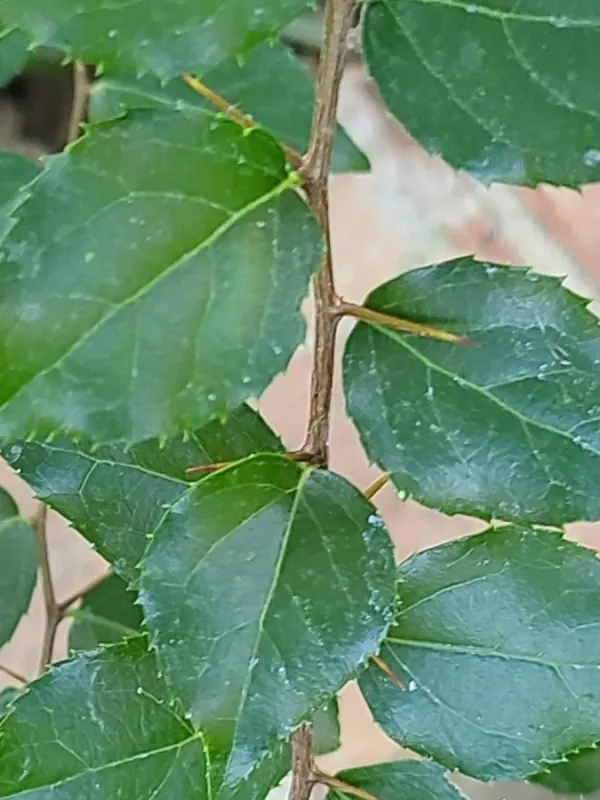
Description
Growing requirements
Xylosma congesta, commonly known as shiny xylosma, is an evergreen shrub belonging to the Salicaceae family. Native to East Asia, it has gained popularity in warm-climate regions as a versatile, low-maintenance ornamental plant used primarily for hedges and screens.
This species thrives in full sun or partial shade, demonstrating excellent tolerance to heat and moderate drought once established. It is well-suited for temperate and subtropical climates but requires protection from severe frosts that can damage its glossy foliage.
The ideal growing medium for Xylosma congesta is fertile, well-draining soil. While it is adaptable to various soil types, maintaining a neutral to slightly acidic pH is beneficial for nutrient uptake and overall plant vigor throughout the growing season.
Regular irrigation is essential during the plant's establishment phase. Once mature, it develops a deep root system that increases its drought tolerance, though supplemental watering during prolonged dry spells remains recommended for optimal growth.
Cultural management relies heavily on pruning. Xylosma is highly responsive to shearing, making it an excellent choice for formal gardens. Regular trimming encourages a dense growth habit and helps maintain the desired shape and height of the shrub.
Main diseases and pests
Xylosma congesta is generally considered a robust and pest-resistant plant. However, poor air circulation in dense plantings can create microclimates conducive to fungal diseases, especially in humid and stagnant environmental conditions.
The most common insect pests associated with this plant include scale insects and mealybugs. These pests cluster on stems and leaf undersides, extracting sap and weakening the plant, which may require targeted insecticide treatments if infestations are severe.
Spider mites can become a concern during hot, dry summer months. Their presence often causes stippling on leaves and loss of luster. Increasing humidity and utilizing systemic or contact miticides can effectively manage populations.
Root rot is primarily a symptom of improper water management. Heavy soils that retain moisture for too long encourage the growth of water-borne pathogens, making proper drainage the single most important preventive measure for this shrub.
Sanitation is key to disease prevention. Removing dead or overlapping branches during the dormant season allows for better sunlight penetration and airflow, significantly reducing the likelihood of infection and ensuring the plant remains vigorous.