
Xylosma buxifolia
Xylosma buxifolia
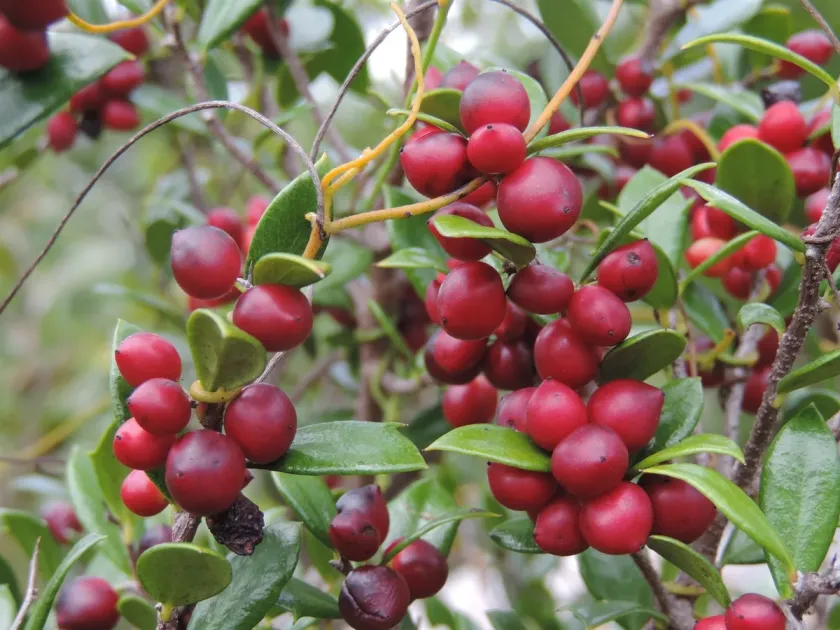
Description
Growing requirements
Xylosma buxifolia is an evergreen shrub belonging to the Salicaceae family. Known for its boxwood-like appearance, it is a popular choice for landscape architecture due to its dense foliage and glossy leaves that remain attractive throughout the growing season.
The plant thrives in temperate climates, requiring a sunny or partially shaded position sheltered from harsh, drying winds. It performs best in regions where temperatures do not drop below its tolerance threshold, typically thriving in USDA zones suited to Mediterranean climates.
Regarding soil, Xylosma buxifolia demands well-drained, fertile soil with a slightly acidic to neutral pH. Proper soil structure is critical, as the species is sensitive to waterlogged conditions which can lead to root rot and poor vitality.
Agrotechnical maintenance includes consistent moisture management, particularly during the establishment phase. Light pruning is recommended in early spring to encourage dense growth and maintain desired shape, making it an excellent candidate for hedges.
The primary economic and aesthetic use of this plant is in ornamental horticulture. It is frequently employed for hedging, screening, and as a structural element in topiary gardens due to its ability to withstand regular clipping and shaping.
Main diseases and pests
The plant is generally resilient but may suffer from pest infestations such as scale insects or spider mites, particularly when grown in conditions with poor airflow or prolonged high heat levels.
Fungal diseases like leaf spot and powdery mildew can occur if the foliage remains wet for extended periods. Ensuring good spacing and air circulation between individual plants is the best cultural control method.
Root system health is paramount; heavy, poorly aerated soils encourage pathogens. Regular monitoring for wilting or discolored foliage allows for early intervention before extensive damage to the root system occurs.
Effective pest management involves using horticultural oils for mites or systemic insecticides for scale during the early stages of infestation. Always follow the manufacturer's label for safety and application rates.
Sanitary practices are essential: remove any diseased or dead plant material from the base of the shrub to prevent the spread of fungal spores. Keeping the surrounding area clean will significantly reduce disease pressure throughout the season.