
Xylosma schaefferioides
Xylosma schaefferioides
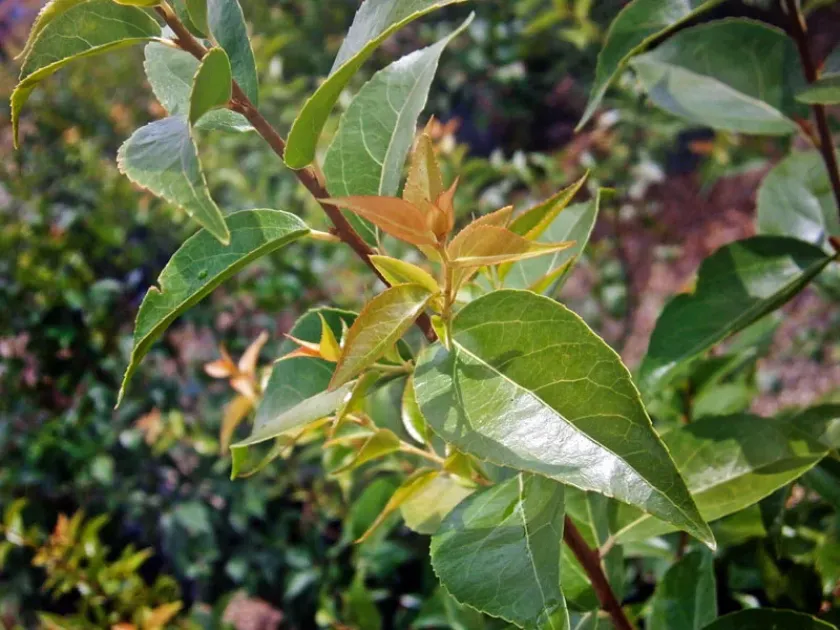
Description
Growing requirements
Xylosma schaefferioides is a distinctive evergreen shrub belonging to the Salicaceae family. It is highly valued in horticulture for its dense, glossy foliage and its versatility in architectural landscape design.
Originating from subtropical and tropical regions of Asia, this plant thrives in warm, humid climates. It prefers environments where temperatures do not drop significantly below freezing, as cold snaps can damage its young foliage.
For successful growth, it requires well-drained, fertile soil rich in organic matter. A slightly acidic to neutral soil pH is ideal for nutrient uptake. It is essential to avoid waterlogged sites, as the root system is highly susceptible to decay in standing water.
Light requirements for Xylosma schaefferioides are best met in locations with bright, filtered light or partial shade. While it can tolerate some sun, protecting the plant from the intense, scorching heat of the midday sun is recommended to prevent leaf damage.
In terms of agricultural use, this species is primarily an ornamental asset. Due to its dense branching habit, it is an excellent candidate for hedges, privacy screens, and detailed topiary work, responding well to frequent pruning.
Main diseases and pests
Spider mites represent a major threat to the foliage, especially during hot and dry weather conditions. They feed on plant juices, causing the leaves to lose their healthy green color and eventually drop.
Scale insects can also be problematic, attaching themselves to the stems and branches. If left unchecked, they can severely weaken the plant, making it prone to secondary infections and growth stunting.
Root rot is a common issue caused by overwatering or poorly draining soil. To mitigate this risk, it is vital to ensure adequate soil aeration and to allow the top layer of the soil to dry out between watering sessions.
Fungal leaf spot diseases may develop in environments with poor air circulation and excessive humidity. Providing sufficient space between plantings and performing regular thinning helps maintain optimal airflow.
To ensure plant health, regular monitoring is necessary. Integrated pest management, including both biological controls and targeted chemical treatments when necessary, helps keep the shrub healthy and vigorous throughout the growing season.