
Hawaiian Xylosma
Xylosma hawaiiensis
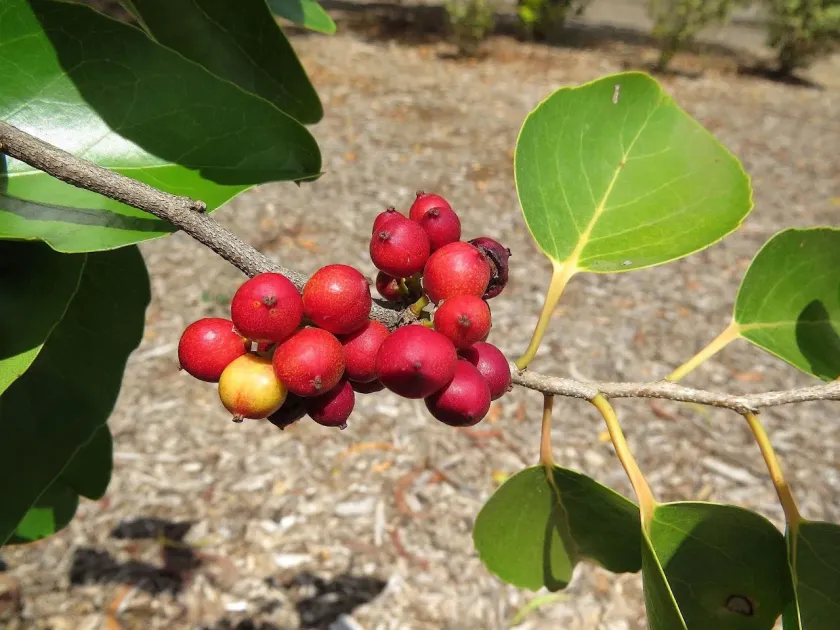
Description
Growing requirements
The Hawaiian Xylosma (Xylosma hawaiiensis), belonging to the Salicaceae family, is a small to medium-sized evergreen tree native to the Hawaiian Islands. It is highly valued for its dense, glossy foliage and its role in local forest ecosystems.
This species thrives in well-drained, volcanic soils typical of its native range. It exhibits significant adaptability to drought conditions once established, making it a sustainable choice for landscaping in arid or semi-arid climates where water conservation is prioritized.
The climate requirements for Xylosma hawaiiensis include warm temperatures with minimal seasonal fluctuation. It is sensitive to frost and extreme cold, requiring a protected environment if cultivated in regions outside of its typical tropical or subtropical zones.
Agricultural management involves light pruning to maintain a desirable shape and periodic applications of balanced fertilizers to support vigorous growth. It is often utilized in hedge planting and as an ornamental screen due to its dense branching pattern.
Regarding soil preparation, ensuring adequate aeration is crucial. Incorporating coarse organic matter into the planting pit helps mimic the natural environment and provides the necessary drainage required to prevent root-related issues.
Main diseases and pests
Typical threats include infestation by scale insects and aphids, which frequently target the soft growth on terminal buds. Integrated pest management strategies, such as introducing natural predators or using horticultural oils, are effective for control.
Fungal infections, often manifesting as foliar spotting, can occur in environments with high humidity and poor airflow. Maintaining wide plant spacing is a primary cultural control method to improve ventilation and reduce infection risks.
Root pathogens represent a critical danger, especially in soils that retain moisture for too long. Phytosanitary measures, including the sterilization of pruning tools and removal of infected plant debris, are essential for site hygiene.
Competition from invasive weeds can severely stunt the growth of young Xylosma plants. Keeping the base of the plant free from competing vegetation ensures that nutrients and moisture are available for the tree.
Regular inspections are highly recommended to monitor for early signs of nutrient deficiencies, which may mimic the symptoms of various pests. Prompt intervention prevents long-term stress and decline of the plant population.