
Xylosma ciliatifolia
Xylosma ciliatifolia
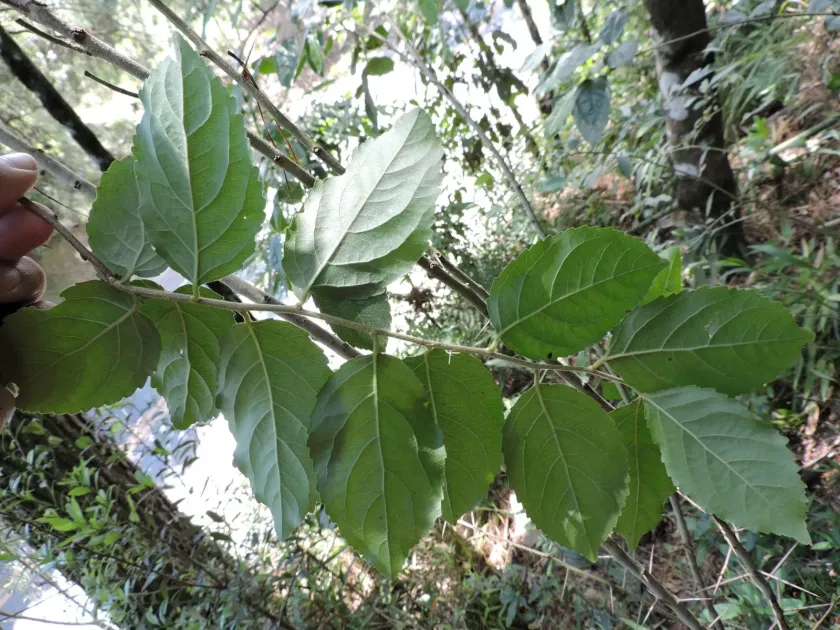
Description
Growing requirements
Xylosma ciliatifolia is a prominent evergreen shrub belonging to the Salicaceae family. It is native to the tropical and subtropical regions of South America, where it thrives in warm and humid environments.
In terms of climate requirements, the plant prefers areas with mild winters and warm growing seasons. It is highly valued for its adaptability to various lighting conditions, ranging from full sun to partial shade.
Regarding soil conditions, this culture requires well-drained, nutrient-rich soil to prevent root issues. It is particularly sensitive to waterlogging, necessitating proper soil preparation before planting.
The agronomic management of Xylosma includes periodic pruning to maintain its structural integrity. It is widely used in landscape design for creating dense hedges and windbreaks due to its compact growth habit.
Its botanical features include leathery, glossy leaves with characteristic ciliolate margins, which enhance its ornamental value in parks and private garden settings.
Main diseases and pests
The primary threats to Xylosma ciliatifolia involve fungal pathogens that typically emerge in environments with poor air circulation and excessive moisture levels.
Insect pests, notably scale insects and spider mites, pose significant challenges to plant health by damaging the foliage and stems during the peak growing season.
Effective management strategies include implementing a robust integrated pest management (IPM) program that combines cultural practices with targeted insecticide applications.
Nutrient deficiency can also lead to weakened resistance against environmental stress, so balanced fertilization is recommended to maintain vigorous growth.
Sanitation practices, such as removing infested plant debris and maintaining appropriate spacing, are crucial for long-term health and disease prevention.