
Xylosma pachyphylla
Xylosma pachyphylla
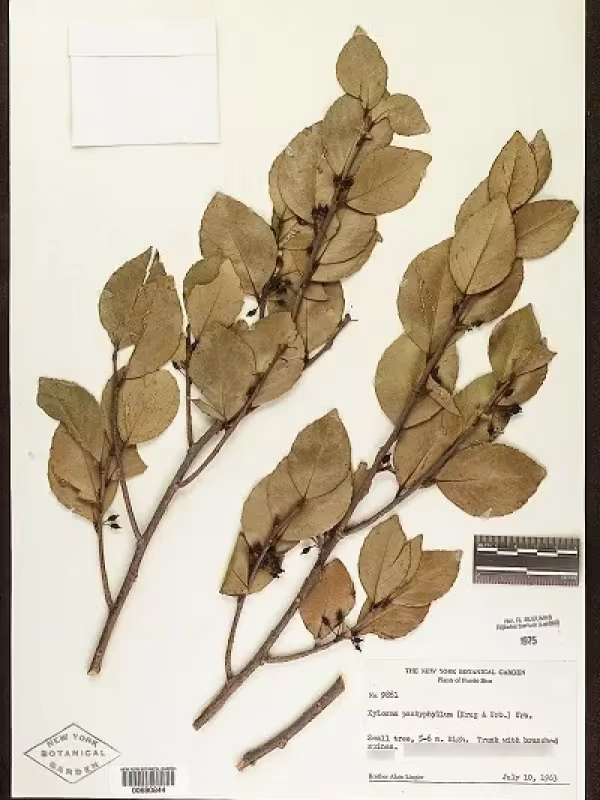
Description
Growing requirements
Xylosma pachyphylla is an evergreen shrub or small tree belonging to the Salicaceae family. It is highly regarded in horticulture for its lush, leathery, and glossy foliage, which provides a sophisticated appearance throughout the growing season.
Native to tropical and subtropical environments, this species thrives in climates where temperatures remain consistently warm. It is sensitive to extreme cold, meaning that in cooler regions, it must be protected or grown in controlled environments.
The ideal soil for this crop is fertile, well-draining, and rich in organic matter. Proper drainage is a critical requirement, as the plant is susceptible to root rot if water accumulates excessively within the root zone.
Regarding light conditions, Xylosma pachyphylla performs best in full sun or partial shade. Consistent sunlight exposure is essential to maintain the deep, vibrant color of the leaves and to ensure the plant grows into a dense, attractive shape.
Agricultural management requires consistent moisture levels during dry periods and routine fertilization to support active growth. Mulching the area around the base of the plant helps retain soil moisture and stabilizes the temperature of the root system.
Harvesting
The primary utility of Xylosma pachyphylla is found in professional landscaping and garden design. Because of its tolerance for heavy pruning and shearing, it is frequently used to construct formal hedges and privacy screens.
Maintenance pruning is typically performed during the active growing season to encourage branching and maintain the desired architectural form. Regular trimming prevents the plant from becoming leggy and keeps the foliage dense and neat.
This shrub is a popular choice for urban landscaping projects due to its resilience and ability to withstand diverse environmental pressures. It serves effectively as a sound barrier and an aesthetic screen in residential and public parks.
In addition to its decorative role, the plant contributes to soil stabilization in sloped areas, where its extensive root system helps prevent erosion. This makes it a functional choice for managing difficult terrain in a garden setting.
Propagation is primarily achieved through stem cuttings, which is the most reliable method for ensuring the genetic consistency of the plants. Providing stable humidity and warmth during the propagation phase ensures a higher rate of successful root development.