
Microcachrys
Microcachrys
Microcachrys is a distinct genus of coniferous plants within the Podocarpaceae family. It is represented by a single species, Microcachrys tetragona, which is endemic to the subalpine regions of Tasmania, Australia.
What the section contains

Microcachrys
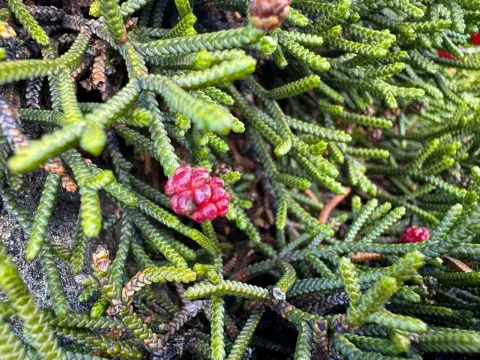
The plant is known for its prostrate, creeping habit and tetragonous branches. It produces small, scale-like leaves that are tightly appressed to the stems, creating a compact, evergreen mat-forming appearance.
In terms of climate, it thrives in cool, moist environments. It is not suitable for hot, dry regions and requires protection from intense midday heat to prevent leaf scorch and desiccation.
The cultivation of Microcachrys requires a well-draining, acidic, and organic-rich growing medium. It is essential to prevent waterlogging, as the root system is highly sensitive to excessive moisture.
Ornamental gardening is the primary use for this species. It is highly valued in rock gardens and containers for its slow growth rate, fine foliage texture, and distinctive small red cones that resemble berries.
The most common threat to Microcachrys is root rot, which typically develops in poorly drained soils or during periods of excessive rainfall combined with stagnant air.
Fungal pathogens can thrive in overly humid conditions, especially if the foliage remains wet for extended periods without proper airflow.
Pests such as spider mites can occasionally affect the plant in controlled indoor or greenhouse environments where humidity levels are insufficient.
Regular maintenance, including the removal of dead foliage and ensuring adequate space between plants, helps to minimize the risk of disease outbreaks.
Integrated pest management strategies, focusing on proper watering techniques and environmental control, are effective in keeping the plant healthy.