
Microstrobos
Microstrobos
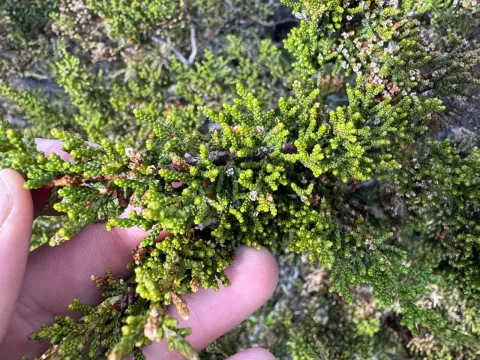
Microstrobos is a genus of evergreen coniferous shrubs belonging to the Podocarpaceae family. These plants are known for their slow growth habits and compact structure, which are highly valued in alpine and specialized gardens.
What the section contains

Microstrobos
The native distribution of Microstrobos is restricted to high-altitude regions of Tasmania and Australia. These plants are adapted to cool, moist environments and are typically found in rocky or boggy alpine terrains.
To thrive, Microstrobos requires a specific soil type that is acidic and exceptionally well-drained. A mixture consisting of peat, sand, and perlite often provides the best balance of moisture retention and aeration for its sensitive roots.
Climatic requirements are stringent; the plant prefers a cool temperature range throughout the year. It cannot tolerate extreme heat or arid conditions, which necessitates protective shading during the summer months.
Maintaining a stable humidity level is crucial for the health of Microstrobos. In cultivation, misting systems or a naturally cool greenhouse environment helps to replicate the foggy, high-mountain atmosphere required for optimal growth.
Fungal diseases are the primary threat to the stability of Microstrobos populations, particularly in environments with poor air circulation. Root rot is a common outcome when moisture management is incorrectly applied.
Spider mites are the most persistent pests affecting this species, especially when environmental humidity is not maintained properly. Regular monitoring of the needle foliage is essential for early pest detection and management.
Excessive fertilizer application can cause severe osmotic stress, leading to root tip burn and overall decline. A very low concentration of slow-release fertilizer is usually sufficient to support the plant's nutritional needs.
Weeds can quickly outcompete young Microstrobos plants for space and resources. Manual weeding is strictly necessary to avoid any mechanical damage to the shallow root system of the shrub.
Lack of environmental consistency is a major threat that can weaken the plant, making it prone to opportunistic infections. Maintaining a steady microclimate is the best form of defense against environmental stress.