
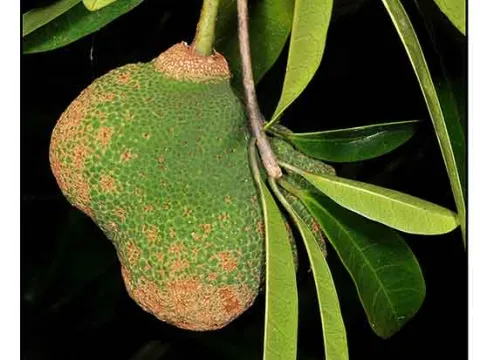
Parartocarpus
Parartocarpus
Parartocarpus is a genus of evergreen tropical trees belonging to the Moraceae family. These plants are native to the dense rainforests of Southeast Asia and surrounding regions, where they contribute significantly to the local tropical ecosystem.
What the section contains


Parartocarpus
The culture thrives strictly in tropical climates with consistently high temperatures throughout the year. It lacks cold tolerance, making it unsuitable for cultivation in regions with even minor seasonal frost or significant temperature drops below the tropical threshold.
For successful growth, Parartocarpus requires deep, fertile, and well-drained soils. Because the plant is highly susceptible to root rot, sites prone to waterlogging or high water tables should be strictly avoided when planning a plantation.
High relative humidity is essential for the physiological health of the tree. The climate must mimic the natural rainforest environment, providing ample moisture to support the expansive foliage and metabolic processes of the species.
Agricultural management includes the use of organic mulches to maintain soil moisture and moderate temperatures. Regular, though moderate, fertilization is recommended to support continuous growth cycles in mature trees while ensuring strong structural development.
The primary agricultural utility of Parartocarpus is its fruit, which is highly valued for its nutritional density. The fruit resembles other breadfruit varieties and serves as a staple source of carbohydrates and essential minerals for local populations.
The wood of Parartocarpus is also highly regarded for its durability and resistance. It is frequently utilized in traditional construction, craft making, and the production of interior fittings, thanks to its dense grain and longevity.
Yields vary depending on the maturity of the trees and the specific environmental conditions of the growing site. Under ideal management, trees can produce multiple harvest cycles per year, ensuring a reliable food supply and economic output.
Harvesting is performed manually and requires a careful selection process, as fruits do not mature simultaneously. Harvesters rely on sensory indicators such as skin texture and aromatic profile to identify optimal ripeness for market consumption.
Post-harvest, the fruit can be consumed fresh or processed via drying or cooking. This versatility enhances the market potential for the crop, allowing for both local distribution and niche export opportunities within the tropical produce sector.
Fungal pathogens represent the most significant threat to Parartocarpus, particularly in environments with poor air circulation and excessive moisture. These diseases can attack bark, leaves, and roots, potentially causing severe plant decline.
Insect pests, including various species of borers and aphids, can cause significant damage to young shoots and leaves. Integrated pest management strategies are crucial for maintaining the health and productivity of the trees on a commercial scale.
Invasive weed competition is a critical concern during the tree's establishment phase. Regular maintenance of the root zone and canopy area is necessary to ensure the saplings can compete effectively for nutrients and solar radiation.
Improper irrigation management is a leading cause of stress in cultivated Parartocarpus. A balance between moisture availability and soil aeration is mandatory to prevent the development of root-borne pathogens that thrive in compacted or soggy soils.
Routine phytosanitary monitoring is recommended to catch infestations early. Maintaining proper spacing between trees during initial planting is the most effective preventative measure to ensure adequate airflow and reduce the humidity-related disease risks.