
Paper fig
Ficus chartacea
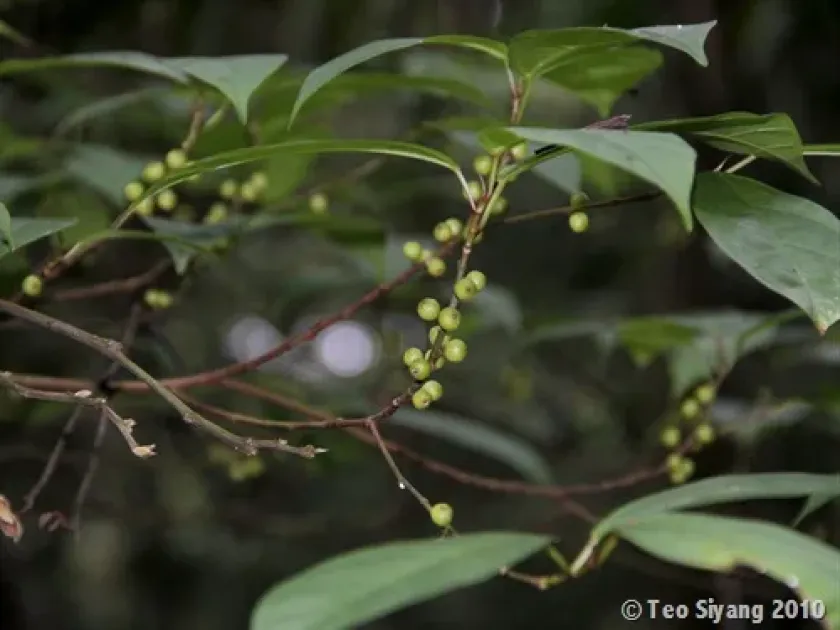
Description
Growing requirements
The paper fig (Ficus chartacea) is an intriguing botanical species belonging to the Moraceae family. Native to the humid rainforest regions of Southeast Asia, it is recognized for its unique, parchment-like leaf texture from which it derives its common name.
As a tropical culture, it requires a well-draining, nutrient-rich soil mix. Maintaining high levels of ambient humidity is essential for the healthy development of its foliage, as dry environments often lead to stunted growth and leaf edge necrosis.
The plant thrives in stable thermal conditions, preferably between 20°C and 28°C. It is highly sensitive to cold drafts and sudden temperature fluctuations, which can trigger an immediate stress response, leading to leaf drop.
Agricultural management involves regular but moderate watering. The soil should be kept consistently moist but never waterlogged, as the root system is highly susceptible to suffocation and decay if aeration is insufficient.
While primarily cultivated for ornamental purposes, Ficus chartacea is a subject of ongoing interest in tropical botanical research. It is frequently featured in specialized plant collections due to its distinct physiological adaptation to light-limited forest understories.
Main diseases and pests
The primary pathological threats to the paper fig include fungal infections such as anthracnose, which manifests as necrotic spots on leaves under high humidity and poor air circulation conditions.
Pest infestations, particularly spider mites, scale insects, and mealybugs, are frequent challenges. These organisms feed on plant sap, significantly weakening the structure of the tree and creating entry points for secondary viral or fungal infections.
Effective management strategies require periodic manual inspection and the application of horticultural oils or specialized insecticides. Maintaining high standards of greenhouse hygiene significantly reduces the risk of pest establishment.
Root rot, driven by Pythium or Phytophthora species, remains the most critical threat in poorly drained pots. Preventing water accumulation in the root zone is the most effective cultural control method.
Regular sanitation, such as removing senescent or diseased leaves, is essential to curb the spread of pathogens. Integrated pest management (IPM) protocols should be strictly followed to ensure long-term plant vitality.