
Parartocarpus venenosa
Parartocarpus venenosa
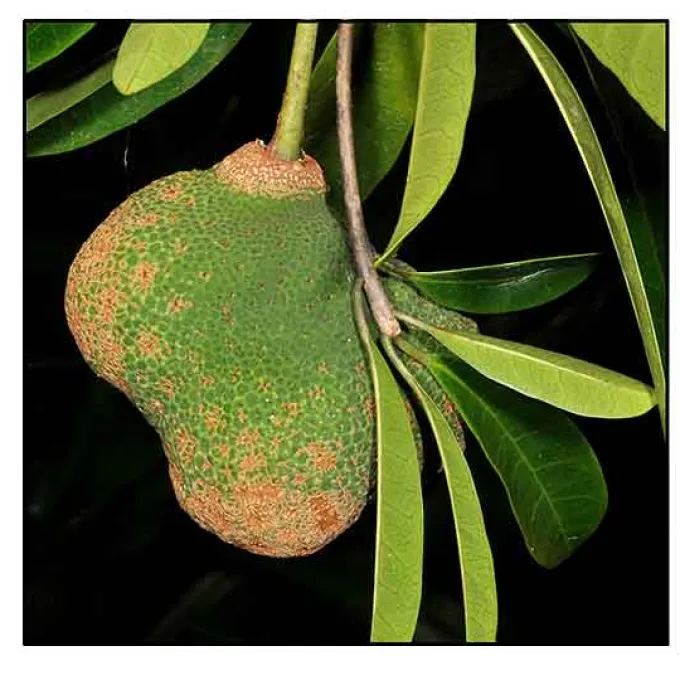
Description
Sowing dates
Propagation of Parartocarpus venenosa is primarily achieved through seeds, which exhibit very short viability and must be sown immediately after collection.
Nurseries require well-draining, nutrient-rich substrates to support early growth, ensuring that the soil maintains consistent humidity throughout the germination phase.
Optimal environmental conditions for seed development involve temperatures ranging from 25°C to 29°C, mimicking the natural heat of tropical forest environments.
Seedlings are best transplanted to their permanent locations during the onset of the rainy season to allow the root system to establish before dry spells occur.
Initial establishment phase requires diligent monitoring of the saplings to prevent weed competition, which can be particularly intense in tropical growth regions.
Growing requirements
Parartocarpus venenosa is a member of the Moraceae family, known for its stature as a substantial evergreen tree native to humid tropical rainforests.
The culture thrives in environments with high annual rainfall and consistent, warm temperatures, showing a low tolerance for cold or extreme seasonal fluctuations.
Soil requirements include deep, fertile, and well-aerated substrates that provide necessary nutrients while allowing efficient drainage to prevent root rot.
While the tree can adapt to various light conditions, it performs best in open settings where canopy density allows for sufficient photosynthetic activity.
Proper land selection is critical; sites prone to prolonged waterlogging must be avoided, as the species requires aerobic soil conditions for healthy growth.
Yield
The primary economic output of this culture is its durable and dense timber, which is highly sought after for fine furniture making and architectural applications.
Parartocarpus wood is characterized by its resistance to decay and structural integrity, making it a valuable resource for long-term forestry projects.
Beyond timber, the tree plays a vital ecological role, providing habitat and resources that support biodiversity within managed tropical plantations.
The yield of mature trees is evaluated by the volume and quality of timber harvested, necessitating strategic planning for long-term plantation cycles.
Sustainable harvesting techniques ensure that the yield remains consistent without compromising the integrity of the ecosystem or future growth potential.
Main diseases and pests
Root rot, often caused by fungal pathogens in poorly drained soils, represents the most significant phytopathological threat to Parartocarpus plantations.
Stem-boring insects and termites pose serious risks to timber quality, often necessitating intensive monitoring and preventive management strategies.
Lianas and invasive climbing plants can negatively impact the development of young trees, leading to trunk deformation and stunted annual growth increments.
Integrated Pest Management (IPM) practices are essential to control infestations while maintaining the delicate ecological balance of the plantation environment.
Regular sanitary maintenance and thinning of the stand are critical to preventing the spread of diseases and ensuring the overall health of the tree population.