
Parartocarpus venenosus
Parartocarpus venenosus
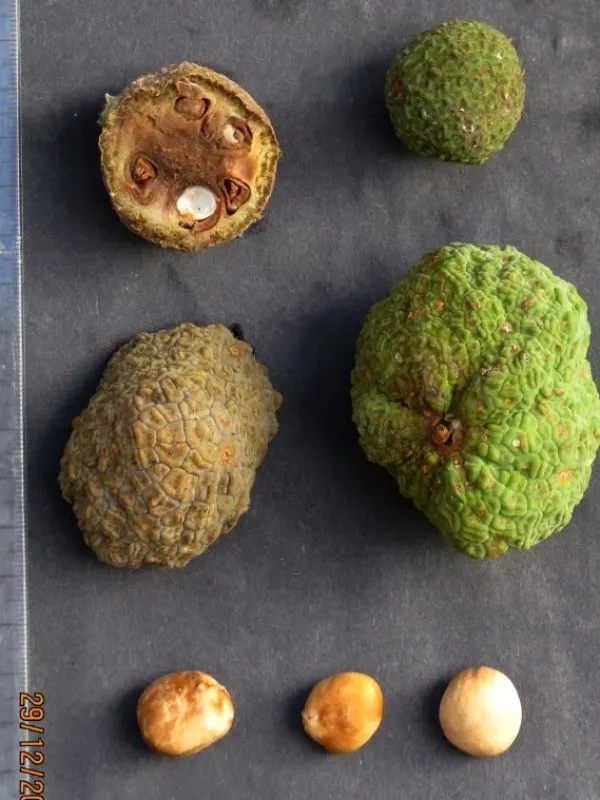
Description
Growing requirements
Parartocarpus venenosus is a robust evergreen tree species belonging to the Moraceae family. It is native to the tropical forests of Southeast Asia, specifically thriving in the humid lowlands of the Philippines and surrounding archipelagos.
The tree requires a tropical climate with year-round high temperatures and significant rainfall to maintain its growth cycles. It is highly sensitive to extended dry seasons and thrives in high-humidity environments.
In terms of soil, it prefers deep, fertile, and well-drained loam. While it can adapt to various tropical soil types, stagnant water must be avoided to prevent root rot.
Management practices for this species include maintaining optimal canopy cover for younger trees, as they require shade during their early developmental stages to avoid sunscald.
The species plays a crucial role in tropical ecology, and cultivation strategies are increasingly focused on reforestation projects to ensure the survival of the tree within its native range.
Harvesting
The primary economic value of Parartocarpus venenosus lies in its timber. The wood is prized for its structural integrity, making it suitable for furniture making and interior construction.
Harvesting requires significant expertise due to the presence of a toxic milky latex in the plant tissues. Safety protocols are mandatory to protect workers from skin and respiratory irritation.
Sustainable logging practices are essential for this species. Given its slow growth rate compared to fast-growing pioneer species, long-term forest management plans are necessary.
Beyond timber, the plant has been traditionally researched for its phytochemical properties, though commercial use of its secondary metabolites remains limited.
Modern forestry programs emphasize the importance of selecting healthy specimens for seed collection to improve the quality of future plantations and wood yield.