
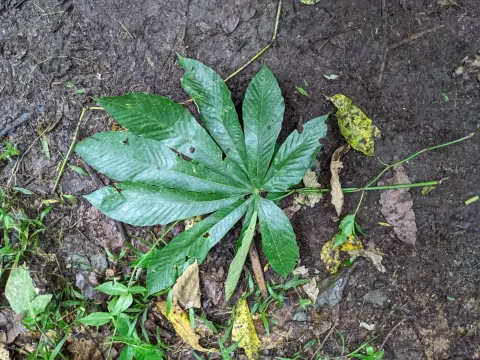
Pourouma
Pourouma
Propagation of Pourouma is typically achieved through seeds extracted from mature, ripe fruits. The seeds have a short shelf life and should be planted as soon as possible after cleaning to maintain high germination rates.
What the section contains

Pourouma
The seeds are sown in a light, well-draining potting medium. High humidity and stable temperatures around 25-28 degrees Celsius are essential for successful germination, which usually occurs within a few weeks.
Seedlings are pricked out into individual containers once the first pair of true leaves develops. Great care must be taken during this process, as the root system is extremely sensitive to handling and prone to shock.
Planting in the field is ideally timed at the beginning of the rainy season to ensure optimal moisture for establishment. Seedlings aged between six and eight months are considered most suitable for transplanting.
Planting density depends on the specific goals of the orchard, though a spacing of 6 to 8 meters between trees is generally recommended to provide enough light and air for healthy growth.
Pourouma is a genus within the Urticaceae family, native to the tropical forests of South America. It thrives in humid tropical environments characterized by high annual rainfall and consistently warm temperatures.
The crop requires fertile, deep, and well-draining soils. It is particularly intolerant of waterlogged conditions, which can lead to rapid root rot. Ensuring proper soil structure is critical for long-term health.
The tree prefers areas protected from strong winds, which can easily damage the brittle branches and leaves. While it can adapt to some direct sunlight, it is often found in the understory and appreciates light shade during early growth stages.
Regular rainfall is essential, as the plant does not cope well with extended dry seasons. Irrigation systems are necessary in regions where rainfall patterns are irregular to maintain fruit production.
Organic fertilization is highly beneficial for Pourouma. Applying mulch around the tree base helps retain soil moisture, suppress weeds, and provide a steady supply of nutrients as the organic matter decomposes.
The trees typically begin to bear fruit 3 to 4 years after planting. The fruits develop in clusters that resemble grapes, which is why the plant is often colloquially known as the Amazon grape.
Fruit production is generally distributed over several weeks or months. Proper pruning of the canopy is essential to maintain tree vigor and improve access for harvesting while also increasing fruit size.
While the tree can produce a significant yield, this depends heavily on soil management and the nutritional status of the orchard. Regular monitoring for nutrient deficiencies is standard practice for commercial growers.
Production levels remain consistent for approximately 15 to 20 years with proper maintenance. After this period, productivity may decline, and rejuvenation or replanting may be necessary.
The total yield per hectare is influenced by spacing and the specific variety, but effective management practices can significantly enhance the quantity and quality of the harvest each season.
Fungal diseases are the most significant threat to Pourouma, particularly leaf spot and anthracnose, which thrive in humid conditions. Maintaining good air circulation in the orchard is the primary preventative measure.
Pests such as mealybugs and mites can infest the foliage, especially during drier spells. Integrated pest management using biological controls is preferred to maintain the safety of the fruit for human consumption.
Root rot caused by waterlogged soil is a major risk factor. This is often managed by selecting well-draining sites or constructing ridges to prevent standing water around the root zone.
Physical damage from wind can lead to secondary infections. If branches break, they should be cleaned and pruned properly to prevent the entry of pathogens into the vascular system of the tree.
Monitoring for insect pests during the flowering and fruit-setting stages is crucial to prevent damage to the developing clusters, which could otherwise lead to premature fruit drop.
Harvesting Pourouma is a delicate task performed by hand. Because the fruit is thin-skinned and highly perishable, harvesters must be careful not to bruise or crush the clusters during collection.
The fruit is considered ripe when the skin changes to a dark purple or brownish hue and the texture becomes soft. Harvesters use scissors to cut the clusters, ensuring that the fruit does not touch the ground.
Post-harvest handling is critical; fruits should be placed in shallow crates with soft liners to minimize pressure. Transport should occur as quickly as possible to the point of sale or processing facility.
Cooling the harvested fruit immediately can help slow down the respiration rate and extend the shelf life for a few additional days, though the product is generally intended for local markets.
Pourouma fruits are consumed fresh, used in juices, or processed into preserves. Their delicate nature makes them a premium niche product in tropical fruit markets, where they are valued for their sweet flavor.