
Willow-leaved fig
Ficus salicifolia
Description
Growing requirements
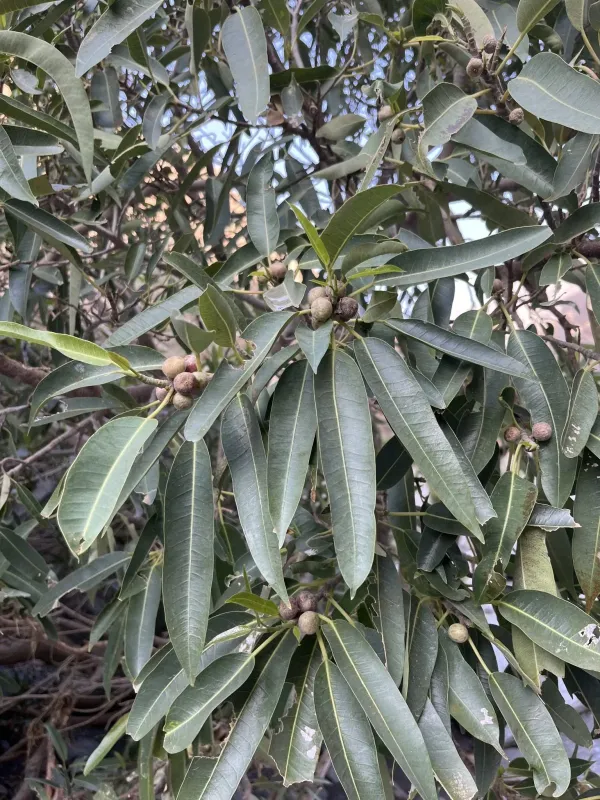
The Willow-leaved fig (Ficus salicifolia) belongs to the Moraceae family and is native to the tropical regions of Africa and the Arabian Peninsula. This species is highly valued for its long, lanceolate leaves, which bear a striking resemblance to willow foliage.
Botanically, it is a robust evergreen shrub or small tree that shows remarkable adaptation to both container cultivation and landscape uses in warmer climates. Its vigorous growth and flexible stems make it a popular choice for bonsai enthusiasts seeking to create artistic tree forms.
Cultivation requirements focus on providing bright, indirect light to maintain leaf vibrancy and structural integrity. Temperatures should be consistently kept between 22 and 26 degrees Celsius during the growing season, avoiding drafts that could lead to leaf drop.
The soil substrate must be highly permeable, utilizing a blend of high-quality potting soil, perlite, and coarse sand. Adequate drainage is mandatory, as this plant is prone to root decay if the root system remains in waterlogged conditions for extended periods.
Agronomic management involves periodic fertilization using balanced liquid fertilizers during the active growth phase. Pruning is essential to control plant size and encourage branching, ensuring the plant maintains a dense and aesthetically pleasing crown structure.
Main diseases and pests
The primary threats to Ficus salicifolia include common indoor pests such as spider mites, scale insects, and mealybugs. Regular inspection of the undersides of leaves and leaf axils is crucial for early detection and mitigation of potential infestations.
Diseases are typically linked to suboptimal environmental conditions, specifically poor air circulation and excessive irrigation. Overwatering creates an anaerobic environment that fosters fungal growth, leading to root rot and secondary infections that weaken the plant's natural defense mechanisms.