
Chinaberry tree
Melia azedarach L.
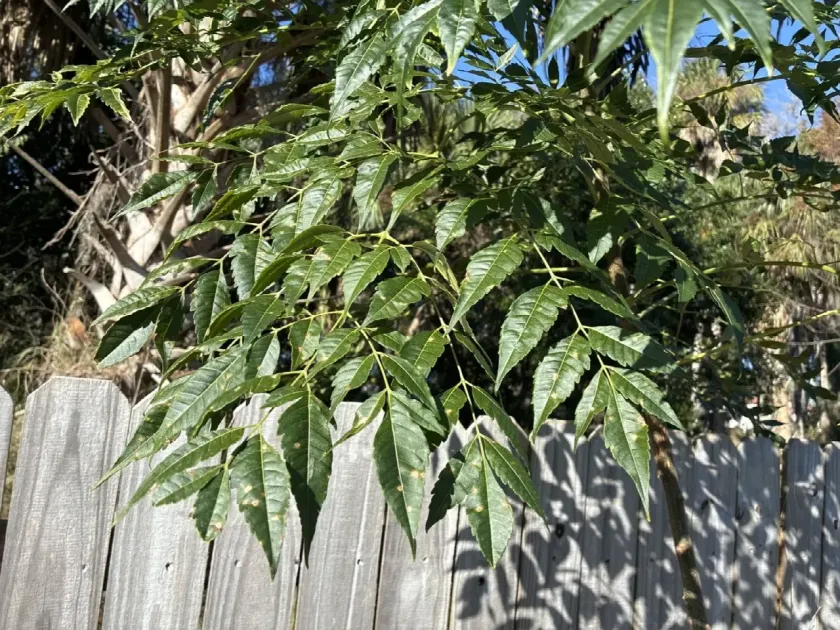
Description
Sowing dates
The propagation of Melia azedarach is primarily conducted through seeds. It is advisable to soak the seeds in warm water for 24 hours prior to planting to enhance the germination rate by softening the hard seed coat.
Sowing should be performed in a well-draining, nutrient-rich substrate. The optimal temperature for seed germination ranges between 20 and 25 degrees Celsius, ensuring rapid and uniform development of the seedlings.
Vegetative propagation via cuttings is also a common practice in nurseries. Stem cuttings should be treated with root-promoting hormones and kept in a high-humidity environment to ensure successful root establishment.
Young plants require consistent watering during their first growing season. It is critical to ensure the soil remains moist but not waterlogged to prevent root rot in developing specimens.
Transplanting should occur during the dormant season, which is typically in late autumn or early spring. This practice minimizes shock to the plant and encourages stronger growth during the subsequent vegetation period.
Growing requirements
The Chinaberry tree, a member of the Meliaceae family, is a light-demanding species native to tropical and subtropical regions. It requires full sun exposure for healthy growth and canopy development.
This tree thrives in deep, fertile, and well-drained soils. While it shows some adaptability to poor soil conditions, it prefers neutral or slightly acidic environments to achieve optimal timber quality.
Although the species exhibits moderate drought tolerance once established, consistent irrigation is necessary for high-yield cultivation. Proper water management directly impacts the tree's height and trunk diameter.
Climatic requirements are specific; the species is sensitive to extreme frost. In regions where temperatures drop significantly below zero, growth will be severely stunted, or the tree may perish entirely.
Space management is also essential. Providing adequate spacing allows for proper air circulation, which is vital for preventing humidity-related issues within the dense crown of the tree.
Main diseases and pests
The Chinaberry tree can be susceptible to various pests, including leaf-feeding beetles and scale insects. These pests can cause significant defoliation if left untreated during the early stages of infestation.
Fungal diseases, such as leaf spot or powdery mildew, often arise in poorly ventilated plantations with stagnant air. Maintaining clean growing conditions is the best way to prevent such outbreaks.
Root rot is a major threat caused by poor soil drainage. If the soil remains saturated for extended periods, the root system loses its ability to uptake nutrients, leading to decline.
Systemic insecticides are effective against widespread pest infestations, but they should be used with caution to avoid impacting beneficial pollinators or the surrounding ecosystem.
Integrated pest management, including monitoring and sanitation of the orchard, is the most effective way to protect the tree and ensure the productivity of the site.
Harvesting
The harvest of Melia azedarach is typically oriented towards its high-quality, durable timber, which is highly valued for furniture making and interior joinery due to its attractive grain.
Timber harvesting is usually conducted when the tree reaches a diameter of 30–50 centimeters. Sustainable harvesting practices involve selective thinning to allow remaining trees more room for growth.
The wood must be properly dried and seasoned after harvesting to prevent warping and cracking. This process is essential for maintaining the integrity of the material for commercial woodworking applications.
In addition to timber, seeds and fruits are sometimes harvested for the extraction of azadirachtin-like compounds, which are utilized in the development of natural organic pesticides.
Annual harvest management includes clearing out dead or diseased trees to maintain the health of the plantation and ensure that only high-quality timber enters the production stream.