
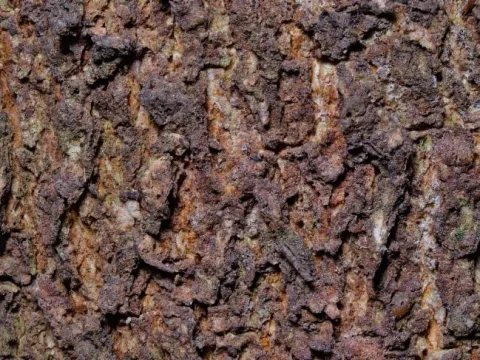
Queensland walnut
Endiandra compressa
Endiandra compressa, commonly known as the Queensland walnut, is a species of tree in the family Lauraceae. It is native to the tropical rainforests of Australia, specifically Queensland, where it thrives in humid and warm environments.
What the section contains
Queensland walnut
The tree is known for its dense canopy and high-quality timber. It grows best in regions that mimic its natural habitat, requiring high annual rainfall and protection from direct, scorching sun during its early developmental stages.
Optimal growth requires deep, nutrient-rich, and well-drained soils. The species prefers acidic to neutral soil types, typical of rich rainforest floors, which provide essential organic matter for root health.
Agronomic management focuses on maintaining high humidity levels and preventing temperature extremes. As a tropical species, it is sensitive to cold snaps and frost, which limits its outdoor cultivation to specific geographic zones.
Propagation is typically achieved via seeds sown in nurseries. Seedlings require careful hardening before being transplanted into their permanent locations to ensure successful establishment.
The primary threats to Endiandra compressa include soil-borne pathogens and root rot, which are triggered by poor drainage and waterlogging. Effective drainage management is critical for survival.
Insect pests, such as scale insects and mites, can occasionally affect tree vitality. Integrated pest management strategies are advised to keep populations under control without relying solely on chemical treatments.
Environmental stress, particularly prolonged drought, can impede growth and make the trees more susceptible to secondary infections or wood-boring pests.
Fungal leaf spots can occur in dense, unventilated plantations. Regular pruning and site selection that promotes good air circulation are essential preventive measures for plantation health.
Sustainable forest management practices are vital to protect the genetic diversity of the species, as it is vulnerable to habitat fragmentation and changing ecological conditions.