
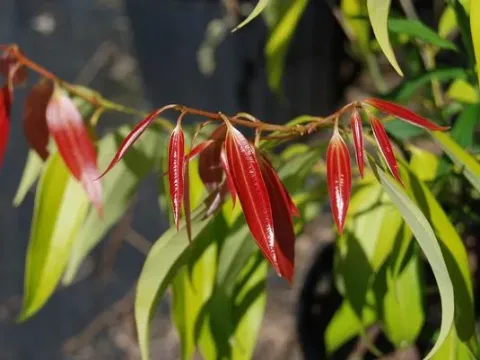
Siebold's cinnamon
Cinnamomum sieboldii
The propagation of Cinnamomum sieboldii is mainly performed via seeds or semi-hardwood cuttings. Seeds must be sown immediately after harvesting because they possess short-term viability and lose germination capacity quickly.
What the section contains
Siebold's cinnamon
For better results, seeds can be stratified in a cool environment before sowing. The primary germination phase should take place in a greenhouse with a stable temperature range of +20-22 degrees Celsius.
Cuttings are usually taken in late spring or early summer from young, healthy shoots. Using rooting hormones is highly recommended to improve the success rate of the vegetative propagation process.
Cuttings should be placed in a loose, well-draining substrate while maintaining high humidity levels. Once roots are established, the seedlings can be transferred to individual pots for further development.
The final transplanting to a permanent site must be done with extreme care to avoid damaging the delicate root system, which is common in many species of the Lauraceae family.
Cinnamomum sieboldii, belonging to the Lauraceae family, thrives in subtropical climates. It requires consistent warmth throughout the year and is highly sensitive to frost and freezing temperatures.
The ideal soil for this crop is fertile, light, and well-draining. Clay soils that retain too much water are unsuitable as they significantly increase the risk of root rot and other fungal diseases.
The plant prefers partial shade, especially during its younger stages. Excessive direct sunlight can scorch the leaves and negatively impact the concentration of essential oils stored in the plant tissues.
Regular irrigation is essential, especially during the active growth season. However, waterlogging must be avoided at all costs to ensure healthy root development and overall plant vitality.
In regions where temperatures drop significantly in winter, the plant must be kept in controlled indoor environments or greenhouses, as it cannot survive outdoor winters in temperate zones.
The yield of Siebold's cinnamon is measured by the quantity of bark produced and the biomass of leaves harvested. A commercial plantation becomes productive after 5-7 years of growth.
Systematic pruning is the primary technique used to increase yield. By encouraging the development of new, thin stems, farmers can harvest more bark without harming the main structure of the tree.
The quality and volume of essential oil extracted from the leaves are influenced by sunlight exposure and soil nutrient balance. Proper management of nitrogen and phosphorus is crucial for high-quality production.
Efficient post-harvest processing is vital for profitability. Drying the bark under controlled conditions preserves its aroma and increases its value in the global spice and pharmaceutical markets.
Average yield figures depend heavily on planting density and the specific intensity of the agricultural system employed, with intensive systems providing higher short-term returns.
Root rot caused by fungal pathogens is the most significant threat to this crop. It is almost always a result of poor drainage or overwatering, which creates a suffocating environment for the root system.
Pests such as scale insects and spider mites frequently attack the foliage. These pests suck the plant sap, leading to stunted growth and a noticeable reduction in the quality of the harvested essential oils.
Fungal leaf spot diseases are common in high-humidity environments. Preventive measures include ensuring good air circulation around the plants and avoiding overhead irrigation where possible.
Chlorosis, which presents as yellowing leaves, can occur due to nutrient deficiencies, particularly iron or magnesium. Soil testing and targeted fertilization are necessary to correct these nutritional imbalances.
Integrated Pest Management (IPM) practices, such as biological controls and regular monitoring, are the most sustainable ways to protect the plantation from significant economic losses.
Harvesting bark involves stripping thin layers from the younger branches. This technique ensures that the tree remains alive and capable of regrowing new shoots for future harvests.
Leaves are typically harvested by hand during periods of peak vegetative growth. The best time for collection is early in the morning when the essential oil concentration is highest before midday heat.
After the bark is removed, it is rolled into quills and dried in shaded, airy rooms. This process is essential for the stabilization of flavor and to prevent the degradation of aromatic compounds.
Post-harvest pruning is necessary to remove dead or diseased wood. This helps the tree recover its canopy and stimulates vigorous growth for the next production cycle.
Proper storage is the final step in maintaining product quality. Storing the dried product in airtight containers away from light prevents the oxidation and loss of the cinnamon's characteristic scent.