
Persea leiogyna
Persea leiogyna
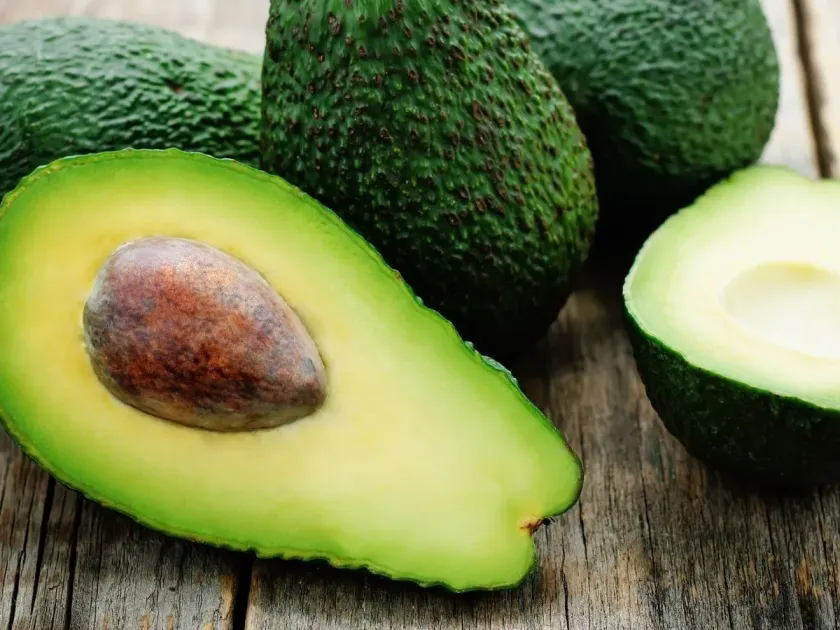
Description
Growing requirements
Persea leiogyna is a distinct botanical species belonging to the Lauraceae family. Native to the humid tropical forests of South America, it is an evergreen tree adapted to high-altitude mountain environments.
The plant thrives in well-draining, nutrient-rich soils with a slightly acidic to neutral pH. Providing high humidity and a consistent temperature range is essential for its vegetative health.
It is primarily grown in tropical climates where there is no risk of frost, as the species is highly sensitive to cold stress, which can lead to rapid tissue decline.
Botanically, it is recognized by its smooth-textured ovaries, as implied by its Latin epithet, and its dense canopy structure which provides protection for the lower foliage.
Commercially, the species is valued for its genetic diversity and potential in essential oil extraction, as well as being a subject of interest in specialized botanical research.
Main diseases and pests
The primary threat to Persea leiogyna is root rot caused by Phytophthora species, which often occurs due to excessive soil moisture and poor drainage practices.
Pests such as spider mites and various scale insects frequently target the plant, especially when it is grown in environments with poor air circulation.
Anthracnose remains a common fungal disease that affects both leaf integrity and the development of reproductive parts during humid weather patterns.
Effective management requires strict adherence to irrigation protocols and the use of integrated pest management strategies to maintain plant vigor.
Nutritional deficiencies, specifically nitrogen or iron, can manifest as foliage chlorosis, requiring regular monitoring and precise soil fertilization regimes.