
Red bay
Persea borbonia
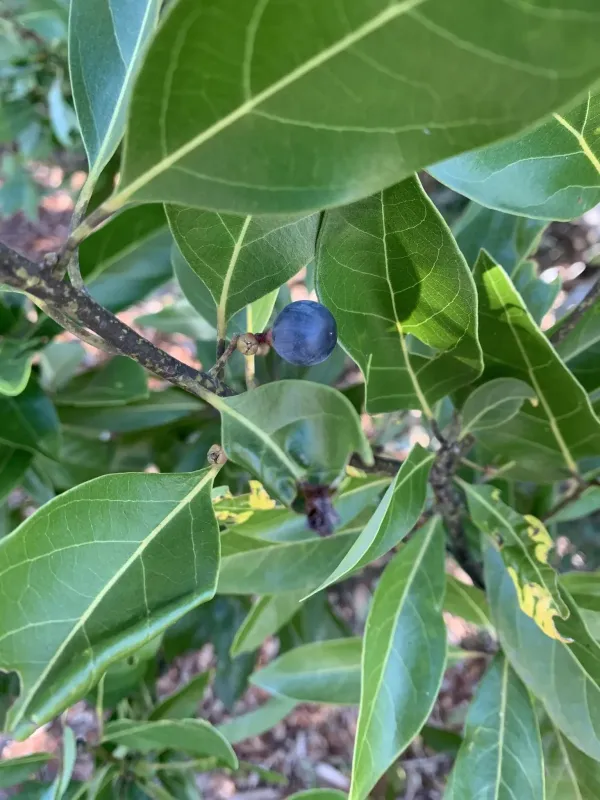
Description
Growing requirements
Red bay (Persea borbonia) is a prominent member of the Lauraceae family, characterized by its glossy evergreen foliage and aromatic leaves. This tree is native to the coastal regions of the southeastern United States and thrives in humid environments.
The culture requires well-drained, acidic soils rich in organic matter to achieve maximum growth potential. While the tree appreciates high environmental humidity, it will not tolerate waterlogged soil conditions, which can lead to severe root stress.
Environmental requirements include a temperate to subtropical climate where extreme frost is absent. Providing a site with filtered sunlight is ideal for young trees, while established specimens can tolerate more exposure as they mature.
Proper spacing is crucial when planting to ensure adequate air circulation around the canopy. This practice prevents the accumulation of excess humidity, which is essential for maintaining the overall health of the tree structure.
Irrigation management should be balanced, focusing on deep watering during dry spells rather than frequent surface wetting. Applying a layer of pine bark or leaf mulch helps replicate the natural forest floor conditions necessary for the root system.
Main diseases and pests
The most devastating threat to Persea borbonia is laurel wilt, a fungal disease transmitted by an invasive ambrosia beetle. The fungus clogs the vascular system of the tree, leading to rapid foliage browning and eventual death of the specimen.
In addition to the aforementioned disease, various scale insects can infest the bark and leaves, causing significant stress. These pests weaken the plant, making it more susceptible to opportunistic secondary infections by various pathogens.
Chlorosis is a common physiological issue occurring when soil pH is not maintained within the optimal acidic range. This prevents the tree from absorbing essential micronutrients like iron, resulting in yellowing foliage and stunted growth.
Effective management involves strict quarantine protocols and the removal of infected plant materials to prevent the spread of the ambrosia beetle. Regular monitoring of the trunk for sawdust piles is essential for early detection.
Integrated pest management strategies are recommended, combining mechanical pruning with targeted systemic insecticides where legal and appropriate. Maintaining tree vigor through proper fertilization is the best defense against secondary environmental stresses.