
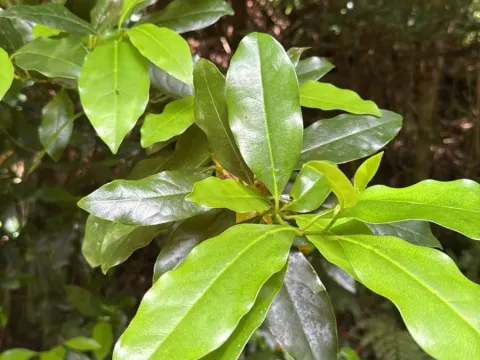
Stinkwood
Ocotea foetens
Ocotea foetens, commonly known as Stinkwood, is a majestic evergreen tree belonging to the Lauraceae family. It is a relict species native to the laurel forests of the Canary Islands and Madeira, serving as an indicator of healthy, humid subtropical ecosystems.
What the section contains
Stinkwood
The cultivation requirements are highly specific, as the tree thrives in mild, humid climates characterized by frequent mist and cloud cover. It is essentially a mountain-dwelling species that avoids extreme temperature fluctuations and direct heat stress.
For optimal growth, the tree requires deep, well-drained, and nutrient-rich forest soils. Maintaining a slightly acidic to neutral pH is preferred to ensure proper nutrient uptake and to prevent the development of root-related physiological disorders.
Agricultural management of this species is primarily focused on conservation and propagation. As a slow-growing tree, it requires significant patience and specific nursery protocols to successfully establish young plants in controlled environments.
The wood of Ocotea foetens is highly prized for its durability and aesthetic qualities. Historically, it has been used for fine cabinetry and construction, earning its reputation as a premium timber species despite the initial strong scent during processing.
The primary threats include habitat fragmentation and climate-driven ecosystem degradation. As a specialized species, it is highly vulnerable to changes in local humidity levels and the introduction of invasive species that compete for resources.
In nursery settings, the plant can be susceptible to fungal pathogens like Phytophthora if drainage is inadequate. Managing these risks involves strict irrigation protocols and ensuring excellent air circulation around the foliage to prevent infestation by scale insects.