
Persea nanmu
Persea nanmu
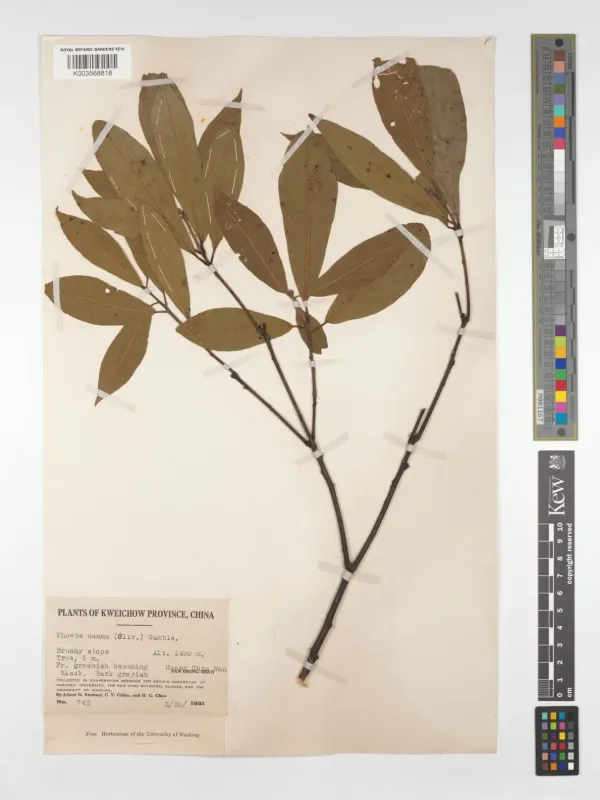
Description
Growing requirements
Persea nanmu is an evergreen tree species belonging to the Lauraceae family, native to the subtropical mountainous regions of China. It is highly regarded for its botanical uniqueness and the superior quality of the timber it produces, which has historical significance.
The tree thrives in fertile, deep, and well-drained soils, typically found in humid subtropical forests. Proper soil drainage is essential for this species, as stagnant water can lead to root rot and compromise the health of the development process.
In terms of climate, Persea nanmu requires moderate temperatures and high humidity throughout the growing season. It performs best in areas protected from extreme temperature drops and harsh, desiccating winds, especially during its vulnerable seedling phase.
Young plants are shade-tolerant and actually benefit from partial protection against intense direct sunlight. Foresters recommend managing the light intensity to ensure that the photosynthesis process remains stable without causing thermal stress to the leaves.
Consistent agricultural management, including soil amendment with organic matter and regular monitoring of moisture levels, is key to successful cultivation. The species grows slowly, requiring patience and a long-term perspective in its plantation management strategy.
Harvesting
The primary economic output of Persea nanmu is its precious timber, famously referred to as "nanmu wood." This wood is characterized by its exceptional durability, resistance to rot and insect damage, and a distinct, fine-grained texture that is highly valued by craftsmen.
Its historical and practical applications include the production of fine furniture, decorative architectural components, and traditional instruments. Because of its longevity, the wood is often repurposed from old structures, reflecting its status as a sustainable and durable material.
Harvesting strategies focus on maturity and sustainable yield, as the tree requires several decades to reach a size suitable for industrial or artisanal timber processing. Selective logging is the preferred method to maintain the structural integrity of the forest.
Apart from the timber, the tree is sometimes investigated for its essential oils found in the bark and leaves. These compounds have potential applications in specialized medicinal or aromatic industries, provided that harvesting follows ethical and conservation-based guidelines.
- Maintenance of soil fertility.
- Ensuring proper shade during development.
- Regular moisture monitoring.
- Integrated pest management practices.