
Persea lingue
Persea lingue
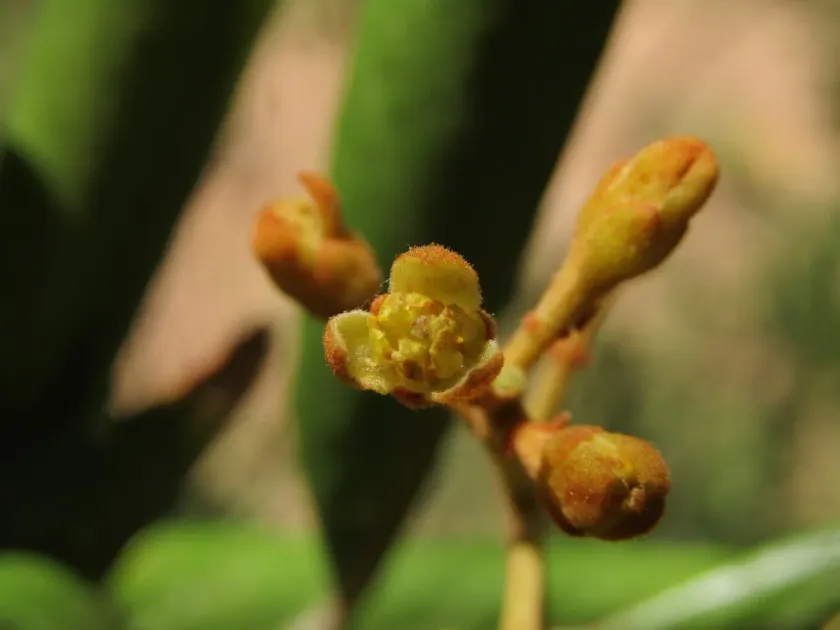
Description
Growing requirements
Persea lingue is a majestic evergreen tree species classified within the Lauraceae family. Native to the temperate rainforests of Chile and Argentina, it plays a vital role in local forest ecosystems.
The tree thrives in deep, well-drained, and nutrient-rich soils. It requires a stable, humid climate and is sensitive to sudden frost or extreme drought, which can significantly hinder its development.
When cultivating Persea lingue, it is essential to ensure adequate site selection that provides protection from harsh winds and offers sufficient space for root and crown expansion.
Agrotechnical management involves monitoring soil pH levels and ensuring consistent but non-excessive moisture availability, especially during the tree's formative growth stages.
The economic value of this species is primarily centered on its timber. The wood is highly regarded for its physical characteristics, making it a preferred material for high-quality furniture and cabinet making.
Main diseases and pests
The primary threats to Persea lingue include various fungal infections, particularly root rot, which typically occurs in areas with poor drainage and excessive soil saturation.
Pest pressure can involve defoliating insects that target young leaves, as well as wood-boring beetles that compromise the structural integrity of the trunks in older trees.
Ecological degradation and climate changes are significant factors affecting natural regeneration, requiring intensive care when integrating this species into managed plantation environments.
Effective management strategies incorporate regular field inspections and the use of site-specific amendments to maintain healthy growth and mitigate the spread of pathogens.
Conservation efforts remain crucial, as the tree is subject to environmental stressors that reduce its natural resilience against biological threats and competitors.