
Persea liebmannii
Persea liebmannii
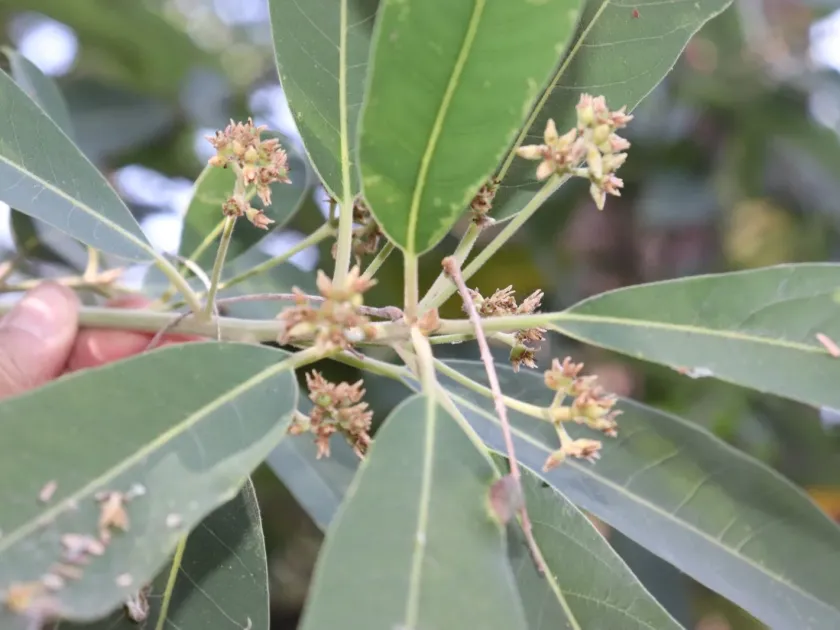
Description
Growing requirements
Persea liebmannii is a distinct woody plant belonging to the Lauraceae family. Native to the tropical forests of Central America, this species is evolutionarily related to the commercially significant avocado, sharing key morphological characteristics within the Persea genus.
The culture thrives in tropical environments characterized by high ambient humidity and moderate temperatures throughout the year. It lacks cold tolerance, which defines its strictly limited geographical range in the wild and necessitates specialized climate-controlled environments for ex-situ cultivation.
Regarding soil requirements, Persea liebmannii demands well-drained, nutrient-rich soils with a slightly acidic to neutral pH profile. Because the root system is highly susceptible to hypoxia and fungal pathogens associated with waterlogging, site preparation must include advanced drainage solutions.
The botanical structure of the plant features leathery, evergreen leaves and typical inflorescences that rely on specific pollinators within its native range. The plant's architecture is generally dense, providing shade and supporting biodiversity in its indigenous forest ecosystem.
Agricultural use of Persea liebmannii is primarily concentrated in research and development. It is highly valued as a genetic reservoir, with ongoing studies focusing on its resistance to pests and diseases that affect related commercial crops, aiming to integrate these traits into future cultivars.