
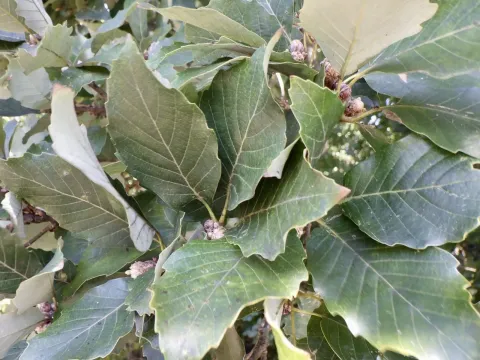
Alien oak
Quercus aliena
Sowing of Alien oak (Quercus aliena) seeds, commonly known as acorns, is typically performed in the autumn immediately after harvest to allow for natural stratification in the soil. Spring sowing is also possible if the acorns have been kept in moisture-controlled cold storage throughout the winter.
What the section contains
Alien oak
Seeds are sown in rows with a depth of 5 to 7 centimeters to ensure proper germination and the development of a strong taproot. Spacing between rows is maintained at 30–40 centimeters to facilitate mechanical weed control and maintenance operations.
High-quality soil, rich in organic matter, is essential for successful seedling development. The site should be well-drained, as waterlogged conditions can be detrimental to the delicate root system of young oak sprouts during the initial growth phase.
In nursery settings, shading is often provided to the young seedlings to prevent leaf scorch from intense sunlight. Adequate irrigation should be managed to ensure the soil remains moist but not saturated during the active growing season.
Transplanting to permanent sites is best executed when the tree is 2 to 3 years old, ensuring that the root ball remains intact. This age typically represents the stage where the tree has sufficient vigor to adapt to new environmental conditions.
The Alien oak belongs to the Fagaceae family and is recognized for its impressive growth habit and adaptability to various temperate climates. It thrives best in fertile, loamy soils that provide a balance of moisture retention and aeration.
This species requires full sun exposure for optimal photosynthetic efficiency, although young trees can tolerate partial shade in understory conditions. Proper spacing during plantation ensures that each tree has sufficient room for crown development as it matures.
Agrotechnical management involves periodic soil cultivation and weed suppression, especially during the first few years, to minimize competition for nutrients and water. Mulching around the base of the tree is recommended to maintain soil temperature and moisture levels.
Although the species is relatively drought-tolerant once established, supplemental watering during prolonged dry spells significantly enhances growth rates. Fertilizer applications with balanced NPK levels in the spring can further boost biomass production.
Proper site selection is crucial; avoiding low-lying areas prone to flooding prevents root rot. Maintaining a clean and aerated root zone is the cornerstone of a healthy and productive Alien oak plantation.
Powdery mildew represents a frequent pathological threat to Alien oak foliage, particularly in humid and stagnant air conditions. Proactive management involves increasing airflow and applying preventive fungicides if the infection becomes severe.
Stem borers and various beetles constitute a threat to the wood quality of mature trees. Regular forest sanitation, which includes removing deadwood and thinning overcrowded stands, helps mitigate the impact of these pests.
Bacterial cankers can occur at the sites of physical injuries to the tree trunk. Careful handling of trees during maintenance activities and immediate protection of wounds are essential practices for long-term tree health.
Defoliating insects may cause periodic damage to the canopy; however, healthy trees typically recover well from such attacks. Monitoring for pest population spikes allows for timely intervention using biological control agents.
A comprehensive integrated pest management (IPM) strategy, combining monitoring and cultural practices, is highly effective in maintaining the vigor of Alien oak stands against common diseases and infestations.